Military defense counselTimothy J. Bilecki + Benjamin H. Gold
Search public website topics only. Do not enter names, details about your case, confidential information or classified material. Search results are general information, not legal advice, and using search does not create an attorney-client relationship. Call us to discuss your situation and the appropriate way to provide sensitive records.
Choose the path that fits your situation
What are you facing?
Before anything else
What to do now.
Four decisions shape a case before a lawyer is ever involved. Each one can still be protected now.
Speak with counsel before answering questions about the allegation.Clearly invoke your right to remain silent and ask for a lawyer. Continue following lawful orders.
Preserve evidence you lawfully possess.Keep messages, photographs, call logs, orders, and other records intact. Do not delete, alter, hide, or manufacture evidence.
Let counsel handle contact about the case.Do not approach the person who made the report or potential witnesses to discuss the allegation. Follow every no-contact order and do not ask someone else to make contact for you.
Get advice before giving consent.Speak with counsel before voluntarily agreeing to an interview, search, device download, or written statement. Do not obstruct a lawful search or disobey a lawful order.
Military defenseInvestigations, courts-martial, separations, and GOMORs
Two attorneysTim Bilecki and Ben GoldDirect access after retention.
2.5M+Miles Tim has traveled for workIncludes extensive travel to represent service members.
Since 2010Bilecki Law GroupFounded in Honolulu. Based in Tampa since 2021.
UCMJ investigation, court-martial, or adverse action
What happens next?
The first decision is understanding where you are in the process, what can happen next, and what must be protected now.
How a consultation begins
Your first conversation: three steps.
This is the consultation path. How we build a defense is a separate four-stage method, explained on each service page.
01
Tell us what is happeningBegin with the investigation, charge, command action, or deadline in front of you.
02
Hear our assessmentWe review conflicts and fit, then tell you directly what we think about the risks and the choices.
03
Decide togetherNo representation begins until the firm and the prospective client agree in writing.
A Bilecki Law Group result
Military defense in practice.
Bilecki Law Group result
Full acquittal at Camp Humphreys, Korea
Forum and installation
General court-martial · Camp Humphreys, Korea
Outcome
Full acquittal
Counsel
Bilecki Law Group
Photograph: the Bilecki Law Group defense team with a client in Korea. It is not presented as a photograph of this case. Prior results do not predict future outcomes.
What clients say
What clients say about the defense.
Brief excerpts from client reviews published on the Bilecki Law Group testimonials page.
If you are a service member facing a serious, career-ending administrative action like I was, hire the Bilecki Law Group. … I brought them on to defend my 20-year career, my commission, and my family's future against multiple false allegations. … When it came time for the Board of Inquiry, they did not just walk into the boardroom; they took absolute command of the room. … Because of their exceptional strategy and fierce advocacy, the board completely vindicated my name, finding the core misconduct allegations unsupported by the evidence, and officially recommended my full retention on active duty. … They protected my family, saved my commission, and secured my future.
Saved my Career, The Best Military Defense Team: Bilecki Law Group Sets the Standard, Hire Faster than Quick!
43 minutes and the Jury comes back and says… Not guilty of all charges and specifications. … Mr. Bilecki, My friend is right you are a STONE COLD KILLER! There is no way in hell I would be here right now if it weren’t for you and your talent in owning the courtroom. … Also huge shoutout to Mr. Gold, one of the best writers that I have ever met. … today I had my Reenlistment ceremony and I have been accepted to continue to serve in the United States Marine Corps.
Tim and Ben immediately got to work putting everything together and helping to prepare for all possible outcomes. … Ben Gold’s writing and laying out of facts is second to none, clear, concise and very persuasive. … The findings were exactly as we had planned and prepped for and Ben’s GOMOR rebuttal was referenced as a key piece of factual evidence in the board’s findings. … This is the best military legal team out there. Throughout the proceedings Tim clearly controlled the tempo and boardroom environment in every room he was in.
They treated me like a person, not a business. And that was very important to me. Right there I knew I was in the right hands and everything was going to be ok. Mr Bilecki was very honest to me. He said, “this is not going to be easy, and I cannot assure you anything, but all I need you to do is give me your 100% and I will do my best to get you out of this, so you can get back to work and take care of your family.” … As a result I was awarded a NOT GUILTY verdict.
This is a long overdue review. Tim and Ben are just an outstanding team. Going through that process, I was stressed and faced with so much uncertainty. There was no sales pitch with Tim. He gave it to me straight and frankly expected the same. Seeing him work in the court room put me at ease. This by no means was a cake walk but if I had to do this again, I would choose Tim and his team every time. I got my life back thanks to his ability to leverage his experience and apply it in the court room. I have recommended this firm to service members and will continue to do so. Don’t trust your chain of command, choose this law firm! They are the real deal!
With my 22 year career hanging in the balance, Mr. Bilecki swiftly stepped in, eradicated the false allegations made against me and restored my good name. His reputation as being one of the best military defense lawyers in the world is recognized throughout every branch in the military. He and his team are top notch and the attention to detail in their preparation go above and beyond what is expected. Never once did I doubt his ability to prove my innocence.
Prior results do not predict future outcomes. A prospective client may not obtain the same or similar results.
A global boutique law firm defending military service members
The boutique law firm.
Bilecki Law Group focuses on consequential military cases. The firm prepares each selected matter for the evidence, the decisions, and the courtroom.
Every Client Gets Tim and Ben
When you hire Bilecki Law Group, you get Tim Bilecki and Ben Gold working your case together. Tim leads the defense and personally handles the courtroom fight. Ben tests the evidence and strategy with him and works the legal issues before and during trial. Every client gets both attorneys, from an investigation or reprimand to a board or court-martial.
Every consequential case demands disciplined preparation for the decisions ahead, not merely management of the process.
02
Understanding risk
Clear advice begins with a direct assessment of the evidence, the battlefield, and what each decision can cost.
03
Worldwide commitment
The standard does not change with the installation, service, or time zone.
Find your installation or region
Military defense wherever you are stationed.
Search 194 installations and duty locations by name, city or island, state or country, branch, or a former name.
Regions in the location inventory. Markers do not indicate offices.
194Installations and duty locations
Explore by region
Court-martial results
Results earnedone case at a time.
Selected results, each stated with the forum, the installation, the charges, and the outcome. Details that are not yet confirmed are left out rather than guessed.
United States Army · E-6Schofield Barracks, Hawaii
Result
Full acquittal
Not guilty of every charge and specification.
Charges
Sexual assault and related allegations
Forum and installation
Schofield Barracks, Hawaii
United States Army · O-5Schofield Barracks, Hawaii
Charges dismissed
No confinement.
ChargesSexual assault
Explore results by case typeEach choice opens the results list filtered to that case type.
Image note: Installation photographs provide location context only. They do not depict the client, case, trial, counsel, evidence, or outcome. The appearance of U.S. Department of War (DoW) visual information does not imply or constitute DoW endorsement.
Prior results do not predict future outcomes.
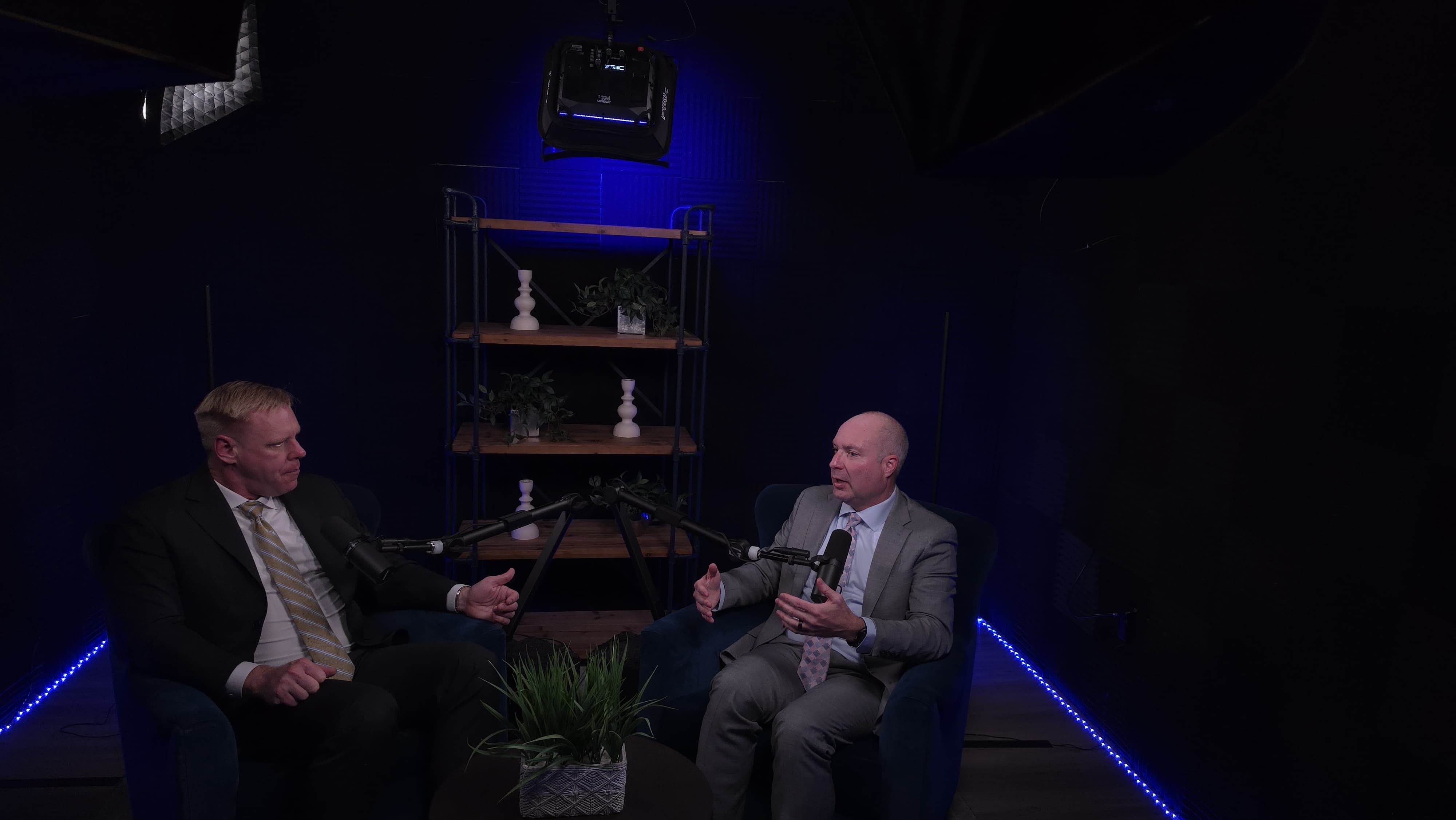
The podcast
Off the Record with Tim Bilecki
Join Tim Bilecki for conversations about expertise, experience, and what it takes to get things right.
When the government brings a criminal case, the defense must be built for the evidence, the motions, and the courtroom.
What you are up against
Build the defense before the courtroom decides the case.
The government prepares its case from the first report. The defense has to be built for the evidence, the motions, and the courtroom, not assembled after the charge sheet arrives.
Written by Bilecki Law Group
Charges and issues
Charges that reach a court-martial.
The charges below are the ones service members most often ask about. The elements the government must prove differ for each one.
The defense method
How we build the defense: four stages.
We identify the immediate risks, preserve the evidence, test the government’s case, and prepare the defense for the decisions ahead.
01
Orient
Identify the stage, the authority, the deadlines, and the immediate exposure.
02
Preserve
Protect the record and separate confirmed facts from assumptions.
03
Challenge
Test the government’s theory, evidence, procedure, and witnesses.
04
Prepare
Build the decisions, motions, presentation, and contingency plan.
Investigation and outside experts
The defense investigates. It does not wait for the government’s file.
Records, devices, messages, timelines, and witnesses are examined by the defense, on the defense’s timetable. Where a case calls for specialized knowledge, the firm works with a trusted network of outside experts in forensic, digital, medical, and psychological fields. These experts are independent professionals engaged for the case; they are not firm staff.
Consequences
What is at stake, stated precisely.
Not every consequence applies to every case. Which ones apply depends on the charge, the forum, the findings, and the record. These are the categories to ask about.
Possible
Consequences a court-martial can impose depending on the findings, such as confinement, a punitive discharge, reduction in rank, and forfeiture of pay.
Mandatory
Consequences that follow certain findings automatically, such as sex offender registration after conviction of a qualifying offense.
Administrative
Actions a command can take with or without a court-martial, such as a reprimand, separation processing, a characterization of service, or a security clearance review.
Professional
Effects on a career, a license, a certification, a promotion, a retirement, or future employment.
Collateral
Effects on family, housing, benefits, travel, and, for some service members, immigration status.
Who handles your case
Direct access to the attorneys handling your defense.
Tim Bilecki in the courtroom.
Tim Bilecki leads the defense strategy. Ben Gold works alongside him on the facts, research, writing, and motions that support the case. Once retained, you receive direct access to both attorneys through the firm’s client communication arrangement.
The intake team receives and screens an initial inquiry. Tim or Ben conducts the attorney consultation. If the firm cannot take your case, we will tell you directly.
Results in this area
Results with the forum, installation, and outcome.
Phone Evidence and NCIS Cross-Examination Lead to Marine’s Sexual Assault AcquittalRead the full case ↗Bilecki Defeats Alleged Fatal Hit and Run Case: Negligent Homicide Dismissed and Full Acquittal at Trial
An Air Force Master Sergeant faced an alleged fatal hit and run case at Barksdale. Bilecki defeated negligent homicide before trial and won a full trial acquittal with no punishment.
Results for this service are not yet published here. The case results page lists the firm’s published outcomes.
Image note: Installation photographs provide location context only. They do not depict the client, case, trial, counsel, evidence, or outcome. The appearance of U.S. Department of War (DoW) visual information does not imply or constitute DoW endorsement.
Prior results do not predict future outcomes.
Questions and answers
Questions service members ask first.
Related decision
Nonjudicial Punishment (Article 15) may be part of the same decision.
Some allegations are resolved by a commander’s punishment instead of a court-martial, and the choice to accept or refuse it has consequences either way. Read how the firm approaches that decision.
Related resource
Read before your next decision.
A word from Timothy J. Bilecki
If you are reading this, the case is already moving. Do not wait for it to take shape around you.
Call us. Tell us what is happening. We will tell you what we think, including when we think the answer is not what you hoped to hear.
Timothy J. Bilecki, Managing Attorney
The next step is a conversation.Urgent telephone and routine consultation are separate paths. Choose the one that fits.
/Charges & Offenses
Charges and offenses
Article 120 UCMJ Defense
Sexual assault and related allegations under Article 120 of the Uniform Code of Military Justice: what the government must prove, what is at stake, and what to do now.
Written by Bilecki Law Group
The allegation and the burden
The allegation, the evidence, and the defense questions must remain distinct.
An Article 120 charge names a specific sexual act or contact and a specific circumstance, such as force, threat, incapacity, or lack of consent. The government must prove every element of the charged offense beyond a reasonable doubt. The defense examines each element separately: what is alleged, what the record supports, and what remains unresolved.
What the government must prove
That the specific sexual act or contact charged occurred.
That the circumstance the charge depends on, such as force, threat, incapacity, or the absence of consent, is proved for that act.
That the accused is the person who committed it, with the state of mind the offense requires.
Maximum punishment
The maximum punishment depends on the specific Article 120 offense charged and can include a dishonorable discharge, total forfeitures, reduction to the lowest enlisted grade, and lengthy confinement. The exact maximum for the offense and the date charged is set by the Manual for Courts-Martial, and it should be confirmed for your charge sheet, not assumed.
Registration consequences
A conviction for certain Article 120 offenses requires sex offender registration under federal and state law. Whether registration applies turns on the offense of conviction, not on the allegation. Registration is one of the consequences the defense plans around from the beginning.
What to do now
Speak with counsel before answering questions about the allegation. Clearly invoke your right to remain silent and ask for a lawyer. Continue following lawful orders.
Preserve evidence you lawfully possess. Keep messages, photographs, call logs, orders, and other records intact. Do not delete, alter, hide, or manufacture evidence.
Let counsel handle contact about the case. Do not approach the person who made the report or potential witnesses to discuss the allegation. Follow every no-contact order and do not ask someone else to make contact for you.
Get advice before giving consent. Speak with counsel before voluntarily agreeing to an interview, search, device download, or written statement. Do not obstruct a lawful search or disobey a lawful order.
How witness accounts, digital evidence, and expert questions relate
What each witness said the first time, and how the account changed.
What phones, messages, and location data show, and what they do not.
What an examiner can conclude, and where an outside expert is needed to test the government’s conclusion.
Which choices, such as an interview, a consent search, or a statement, require counsel’s direct advice before you decide.
Results involving Article 120 allegations
Results with the forum, installation, and outcome.
Phone Evidence and NCIS Cross-Examination Lead to Marine’s Sexual Assault AcquittalRead the full case ↗Marine Convicted of Abusive Sexual Contact Receives No Confinement or Punitive DischargeRead the full case ↗
Image note: Installation photographs provide location context only. They do not depict the client, case, trial, counsel, evidence, or outcome. The appearance of U.S. Department of War (DoW) visual information does not imply or constitute DoW endorsement.
Prior results do not predict future outcomes.
Questions and answers
Questions people ask about Article 120 cases.
Not before you have spoken with a lawyer. A statement given early, without counsel, is the piece of evidence the defense can least control later. Get advice first; the decision to speak can be made afterward.
Preserve the original records. Do not edit or delete them, and ask counsel how to share them securely. Messages, photographs, and location data are examined in full by the defense, and their timing often matters as much as their words.
Do not contact the person who made the report or potential witnesses to discuss the allegation before speaking with counsel. Follow every no-contact order. Attempts to influence an account or contact someone through a third party can create separate allegations. The defense investigates through lawful channels.
You can have both. Detailed military counsel and retained civilian counsel work together on the same case. The question is whether the case warrants the preparation, investigation, and lawyer time that a retained defense adds.
A word from Timothy J. Bilecki
If you are reading this, the case is already moving. Do not wait for it to take shape around you.
Call us. Tell us what is happening. We will tell you what we think, including when we think the answer is not what you hoped to hear.
Timothy J. Bilecki, Managing Attorney
Other charges
Charges the firm defends.
Each charge has its own elements, evidence questions, and consequences. Two that service members ask about most often are listed here, with the same questions applied.
Article 112a
Drug and urinalysis matters
Wrongful use, possession, or distribution of a controlled substance, most often charged after a positive urinalysis. The defense questions are the collection, the chain of custody, the laboratory result, the cutoff level, and whether use was knowing.
Article 86
Absence without leave
Absence from a unit, place of duty, or appointed place without authority. The questions are the dates, the authority, the intent, how the absence ended, and what the command intends to do about it.
/Resources
Resource
How a Military Investigation Moves From Allegation to Command Decision
What happens between the first report and the decision that follows it, and which decisions are yours to protect.
Written by Bilecki Law Group
Overview
An allegation becomes a case in stages, and the early stages are the ones a service member can still influence.
An allegation against a service member usually begins with a report: to a commander or first sergeant, to a military law enforcement agency, to a sexual assault response office, or to civilian police. What follows depends on the seriousness of the allegation, the branch, and the command, but the stages are recognizable, and the decisions that shape the outcome are often made in the first days.
1. The report and the preliminary inquiry
A commander who receives information that a member of the command may have committed an offense must make, or cause to be made, a preliminary inquiry (Rule for Courts-Martial 303). For minor matters the inquiry can stay within the unit. Serious allegations are referred to the branch’s investigative agency: Army Criminal Investigation Division, Air Force Office of Special Investigations, the Naval Criminal Investigative Service for the Navy and Marine Corps, or the Coast Guard Investigative Service.
2. The investigation
Investigators interview the person who made the report, interview witnesses, and gather records, messages, and device contents. Before questioning a suspect, a military investigator must advise the suspect of the nature of the accusation, of the right to remain silent, and that any statement may be used as evidence (Article 31(b), UCMJ). Investigators may ask for consent to search a phone, a vehicle, or a room, and they may seek a search authorization from a commander or a military judge instead. The suspect’s choices at this stage, whether to make a statement, whether to consent, and whether to contact anyone about the allegation, are the choices this resource is about.
3. Command review and the disposition decision
When the investigation closes, the command reviews the file with advice from its staff judge advocate. The options are to take no action; to take administrative action, such as counseling, a reprimand, or separation processing; to impose nonjudicial punishment under Article 15; or to prefer court-martial charges (Rule for Courts-Martial 306). Special trial counsel has exclusive authority to determine whether a reported offense is covered. For offenses within that authority, special trial counsel controls the charging and disposition decisions specified by Article 24a. Commanders retain authority over other offenses and specified residual actions.
4. If charges are preferred
Unless the accused waives it, a preliminary hearing under Article 32, UCMJ, examines probable cause, jurisdiction, the form of the charges, and the appropriate disposition before referral to a general court-martial (Rule for Courts-Martial 405). The referral decision follows. From that point the case moves toward arraignment, motions, and trial, and the record built during the investigation becomes the evidence both sides will argue about.
The decisions you can still protect
Speak with counsel before answering questions about the allegation. Clearly invoke your right to remain silent and ask for a lawyer. Continue following lawful orders.
Preserve evidence you lawfully possess. Keep messages, photographs, call logs, orders, and other records intact. Do not delete, alter, hide, or manufacture evidence.
Let counsel handle contact about the case. Do not approach the person who made the report or potential witnesses to discuss the allegation. Follow every no-contact order and do not ask someone else to make contact for you.
Get advice before giving consent. Speak with counsel before voluntarily agreeing to an interview, search, device download, or written statement. Do not obstruct a lawful search or disobey a lawful order.
What this means in practice
The government’s file is built from the first interview. A statement made without counsel, a consent search given to seem cooperative, or a call to a witness to clear things up can each become the center of the case. You may invoke your right to remain silent and seek counsel before deciding whether to answer questions or voluntarily consent. Do not obstruct a lawful search or disregard a lawful order. Early advice protects your ability to make an informed decision, including whether to cooperate.
Next step
If you are at any of these stages, talk to counsel before the next interview or consent decision.
Primary sources
Article 31, Uniform Code of Military Justice, 10 U.S.C. § 831 (compulsory self-incrimination prohibited; rights advisement before questioning).
Article 15, Uniform Code of Military Justice, 10 U.S.C. § 815 (commanding officer’s nonjudicial punishment).
Article 32, Uniform Code of Military Justice, 10 U.S.C. § 832 (preliminary hearing before referral to a general court-martial).
Article 24a, Uniform Code of Military Justice, 10 U.S.C. § 824a (special trial counsel and covered offenses).
Manual for Courts-Martial, United States, Rules for Courts-Martial 303 (preliminary inquiry), 306 (initial disposition), and 405 (preliminary hearing).
This resource explains a general process. It is not advice about any particular case, and reading it does not create an attorney-client relationship.
Related service
Media coverage, interviews, and video
Military defense in the media.
Tim Bilecki discusses military defense in reporting, interviews, and the firm’s documentary.
Media interviewsTimothy J. Bilecki during a Times Square interview.Radio interviewTim Bilecki at a radio microphone.
Coverage and interviews are shown with their source and date. No publication has endorsed the firm.
Worldwide military defense
Find your installation or region.
Search 194 installations and duty locations by name, city or island, state or country, branch, joint-base abbreviation, or a former name.
Showing 18 of 194 locations.
◯
No location matches.
Try a broader installation name, a city or island, a state or country, a branch, or a former name, or choose all regions.
Explore military defense information for 194 locations. Search by installation or select a region to find the relevant page.
/United States · Texas
Installation
Fort Bliss
Court-martial and investigation defense for service members assigned to Fort Bliss, Texas.
Local orientation
Defense prepared for the installation and the worldwide military justice system.
This page will explain the local process, the command structure, travel and venue considerations, and the practical context a service member at this installation needs, in language reviewed by the firm.
Written by Bilecki Law Group
A Bilecki Law Group result
A result from the firm’s military defense practice.
Bilecki Law Group result
Full acquittal at Camp Humphreys, Korea
Full acquittal at a general court-martial. General court-martial · Camp Humphreys, Korea.
Prior results do not predict future outcomes.
01
Installation context
The installation, its region, and the units and commands a case at this location usually involves.
02
Service fit
Which of the firm’s services applies: investigation defense, court-martial defense, separation defense, reprimand rebuttal, or nonjudicial punishment advice.
03
Next decision
Urgent telephone contact when a decision cannot wait, or the routine consultation path to organize the matter.
Case results
Results earned one case at a time.
Read the allegations, the defense work, and the result in each full case account.
Tim Bilecki and Ben Gold with a client.
Military defenseInvestigations, courts-martial, separations, and GOMORs
Two attorneysTim Bilecki and Ben GoldDirect access after retention.
2.5M+Miles Tim has traveled for workIncludes extensive travel to represent service members.
Since 2010Bilecki Law GroupFounded in Honolulu. Based in Tampa since 2021.
August 2026Bilecki Defeats Alleged Fatal Hit and Run Case: Negligent Homicide Dismissed and Full Acquittal at Trial
An Air Force Master Sergeant faced an alleged fatal hit and run case at Barksdale. Bilecki defeated negligent homicide before trial and won a full trial acquittal with no punishment.
Read the full case ↗August 2026The Army Took Two Shots. Bilecki Got the First GOMOR Destroyed and Stopped Permanent Filing of the Second
The Army issued two GOMORs against a Chief Warrant Officer at Fort Eustis. Bilecki won withdrawal and destruction of the first and a signed decision ordering the second filed locally rather than permanently in the AMHRR.
Bilecki Defeats Alleged Fatal Hit and Run Case: Negligent Homicide Dismissed and Full Acquittal at Trial
CASE 2026-08 | BARKSDALE AIR FORCE BASE, LOUISIANA | AIR FORCE E-7
Bilecki Defeats Alleged Fatal Hit and Run Case: Negligent Homicide Dismissed and Full Acquittal at Trial
August 2026
Barksdale Air Force Base, Louisiana
Air Force Master Sergeant – E-7
Allegations: UCMJ Article 134 Negligent Homicide; UCMJ Article 111 Leaving the Scene of an Accident; UCMJ Article 113 Drunken Operation; UCMJ Article 131b Obstruction of Justice; UCMJ Article 107 False Official Statement
Facts
The Air Force took a fatal collision on a dark Louisiana highway and tried to turn it into a crime. A pedestrian had died. Our client, an Air Force Master Sergeant, faced negligent homicide and four additional charges. His freedom, rank, and career were on the line. By the time we finished, the negligent homicide charge was dismissed, the false statement charge was gone, and the panel had acquitted him of every charge it heard.
Our client was driving his Chevrolet Tahoe on Highway 80 when it struck something in the darkness. He did not pretend the impact never happened. When he arrived home, he called his insurer and the sheriff's office and reported hitting an unknown object. Deputies came to his home that night. They inspected and photographed the Tahoe, collected exterior swabs, and searched the route without finding a person, an animal, or damaged property. A pedestrian was found dead near the roadway the next morning.
Louisiana authorities investigated. The local district attorney declined to prosecute, and the state closed its case in 2023. The Air Force opened its own investigation the following month.
The Government built its case backward. Because a pedestrian was found dead the next morning, it wanted the panel to assume our client must have known what he struck. Because he drank after he arrived home, it wanted the panel to move that drinking backward in time and call him drunk on the highway. Because he washed part of the Tahoe after deputies had already inspected and photographed it, the Government called the washing obstruction. Suspicion connected those events. Proof did not.
The most serious accusation was negligent homicide. It did not survive the Article 32 preliminary hearing. The hearing officer found no probable cause and concluded that the admissible evidence was unlikely to sustain a conviction. The convening authority dismissed the charge before trial.
That should have told the Air Force where this case was headed. It did not.
The Government kept going with leaving the scene, drunken operation, obstruction, and a false official statement. The false statement charge was withdrawn and dismissed without prejudice after arraignment. The remaining three charges went to the panel.
We called a roadway recognition expert and put the members behind the windshield on Highway 80 at night. He explained the darkness, visual clutter, limited contrast, headlamp illumination, and the short time a driver had to recognize a pedestrian. His conclusion was direct: a driver in our client's position likely would not have recognized the pedestrian in the time available before impact.
That testimony mattered because the Air Force had to prove what our client actually knew at the moment of impact. It could not start with the body found the next morning and work backward. We paired the expert testimony with what our client did that night. He reported the impact, described an unknown object, and gave deputies immediate access to the vehicle. That conduct did not fit the Government's claim that he knowingly fled an accident.
The drunken operation charge had the same hindsight problem. The Government could show that our client drank after he reached home. It had no field sobriety test, breath test, blood draw, or measured alcohol concentration from the period when he was behind the wheel. We refused to let later drinking become proof of an earlier crime. The clock mattered, and we kept the evidence on the right side of it.
The wash looked terrible when the Government stripped it from the rest of the night. We put the sequence back together. Before any washing, deputies had already inspected and photographed the Tahoe and collected exterior swabs. Our client disclosed the washing, consented to searches, and gave investigators the bucket and sponge. The Government called that obstruction. We showed the panel why it was not.
In closing, Bilecki told the members to separate the signal from the noise. The Government had plenty of noise: a death, alcohol consumed later, and a vehicle washed the next morning. The signal was much narrower. What did our client know at the moment of impact? What reliable evidence showed his condition while he was actually driving? What had investigators already collected before the Tahoe was washed?
The members returned not guilty findings on leaving the scene, drunken operation, and obstruction of justice. No conviction. No punishment.
A man still lost his life, and our client lived under the investigation and prosecution for nearly four years. The verdict did not diminish that loss. It did establish something the Air Force should have recognized much earlier: this was a nighttime collision, not a crime.
Result: Negligent homicide dismissed before trial. Full acquittal on every remaining charge tried. No punishment.
FAQ
Q: What did the Air Force have to prove on the leaving the scene charge?
The Air Force had to prove actual knowledge. It was not enough to show that the Tahoe struck something and that a pedestrian was found dead the next morning. The question was what our client understood at the time of impact. We answered it with the roadway itself, the lighting conditions, and expert testimony about what a driver could perceive in the available time. We also used our client's immediate conduct. He called his insurer and the sheriff's office, reported an unknown impact, and allowed deputies to inspect the Tahoe that night. The panel found him not guilty.
Q: Can drinking after a collision prove drunken operation?
Not by itself. The Government still had to prove our client's condition while he was driving. Here, it had evidence that he drank after he returned home, but no field sobriety test, breath test, blood draw, or measured alcohol concentration from the driving period. We kept the members focused on that timeline. Evidence of drinking later could not fill the hole in the Government's proof from the time that actually mattered. The panel found him not guilty.
Q: Why did washing the Tahoe not prove obstruction of justice?
Context decided that charge. Before the Tahoe was washed, deputies had already inspected it, photographed it, and collected exterior swabs. Our client did not hide the washing. He disclosed it, consented to searches, and provided the bucket and sponge. We showed that the Government had taken one bad looking fact, removed everything around it, and called it obstruction. Once the panel saw the complete sequence, it found our client not guilty.
Prior results do not predict future outcomes.
About Bilecki Law Group
Bilecki Law Group exists for the singular purpose of giving military service members the ability to fight back against the military justice system. We fight back against misuse and abuse of the UCMJ and we win military jury trials.
A Firm Built to Fight
Tim Bilecki in Germany.
Bilecki Law Group, PLLC, is a military defense firm founded by trial lawyer Tim Bilecki on the simple philosophy of providing personal and aggressive representation to service members facing court-martial charges around the world.
The firm began in Honolulu, Hawaii, in 2010. Tim later moved his practice to his hometown of Tampa, Florida, in 2021. The move did not end the firm's work overseas. We continue to represent service members in Hawaii, Korea, Okinawa and mainland Japan, as well as military members facing proceedings elsewhere in the United States and overseas.
The allegation may involve sexual assault, a drug offense, financial fraud or a violent crime. The consequences may include a court-martial, a separation board or an Army GOMOR. Once retained, we investigate the case, develop the defense and prepare for the proceeding that will decide your future.
· · ·
The Lawyers Doing the Work
Tim Bilecki and Ben Gold with a Navy client.
Tim Bilecki is the firm's Managing Attorney. He leads the defense strategy. Ben Gold is an Associate Attorney whose work includes legal research, writing and motions. They work together to develop the facts and the legal arguments that support the defense.
That work starts with understanding what happened. After being retained, we go into detail about what you are accused of or charged with, what the records show, and who may have information that matters. We use that information to build a detailed timeline, identify potential evidence and witnesses, and develop the defense strategy.
·
How the Representation Begins
We will listen to you and make sure your case is a good fit for the firm. The first attorney consultation we accept and schedule is free and ordinarily lasts 45 minutes. It may be with Tim Bilecki or Ben Gold, depending on screening and availability.
If the firm can take the case, the scope of the representation, fee and anticipated costs are addressed before you decide whether to retain us. A consultation request does not create an attorney-client relationship or mean that the firm has agreed to represent you.
Once retained, the work moves from the first conversation to the evidence. We examine the government's account, develop the defense timeline, identify the records and witnesses that need attention, and prepare the factual and legal response. We explain the strengths of the case and the problems that still need to be addressed.
"If you play the game by their rules and on their battlefield, you've handed them every advantage. Don't play by their rules. Give them the last thing they were looking for... a FIGHT!"
Ready to Fight Back
Winning takes experience and tenacity. It also takes preparation. We will work our asses off on your defense. All we ask in return is that you are as willing to fight as we are.
Every case has its own facts, evidence and risks. No lawyer can promise the outcome. Our job is to give you straight advice and do the work your defense requires.
Call . If an interview, hearing or response deadline is approaching, tell the intake team when you call. Call before sending sensitive records so the firm can identify an appropriate secure channel.
Managing Attorney
Timothy J. Bilecki
Timothy J. Bilecki is the founder and Managing Attorney of Bilecki Law Group, PLLC, a Tampa law firm representing service members worldwide in courts-martial, military investigations, and related military justice matters. A former officer in the United States Army Judge Advocate General's Corps, Tim knows how military cases are investigated and prosecuted. He knows how fast a single accusation can put a service member's freedom, career, reputation, and family at risk.
Tim's approach starts from a hard truth: in today's military justice system, being innocent is no longer enough. By the time a service member learns of the investigation, CID, OSI, NCIS, or CGIS already has a head start. Statements taken. Phones seized. Digital evidence pulled. The command briefed. Looking for reasonable doubt is not their job. So Tim gets involved before the government's theory hardens, and he conducts his own investigation: preserving evidence before it can disappear, locking down the timeline, hunting for witnesses the government never talked to, and bringing in investigators and digital forensic examiners when the case turns on data. He puts the government's case together the way trial counsel would try it, then takes it apart element by element. He challenges the government's evidence in pretrial motions and fights to keep it out of the courtroom. The government is already building its case. The only question is whether anyone is building yours.
"If you play the game by their rules and on their battlefield, you've handed them every advantage. Don't play by their rules. Give them the last thing they were looking for... a FIGHT!"
Education, Bar Admission, and Trial Training
Tim earned his Bachelor of Science in Finance from Boston College in 1999, his Juris Doctor from the University of Miami School of Law in 2002, and his Master of Business Administration from Babson College in 2022, graduating summa cum laude. He is an alumnus of the National Criminal Defense College.
Tim was admitted to The Florida Bar on 31 October 2002. He is a member in good standing and eligible to practice law in Florida. Tim represents service members as civilian defense counsel in courts-martial worldwide.
Trial Work and Press Coverage
Tim Bilecki in the courtroom.
Examples from Tim's closing arguments appear in Michael Waddington's 2018 book, Kick-Ass Closings: A Guide to Giving the Best Closing Argument of Your Life. His work as defense counsel has drawn national and international press coverage, including Stars and Stripes, the Associated Press, The Japan Times, and The Guardian.
Beyond the Courtroom
Tim resides in Tampa with his wife and is the father of two sons and two daughters. His oldest son is an enlisted Marine. His passions outside the law are international travel, auto racing, and Porsches.
If you are a service member facing a court-martial, military investigation, or related military justice matter, contact Bilecki Law Group to request a case evaluation.
Consultation
Tell us what is happening.
If an interview, search, hearing, or response deadline is approaching, call 813-669-3500 and explain the timing. The first attorney consultation we accept and schedule is free and ordinarily lasts 45 minutes.
Routine path
Tell us about the situation.
This demonstration form does not send or save an inquiry. Use sample information only. To request an actual consultation, call 813-669-3500.
Before you share information
Contacting the firm does not by itself create an attorney-client relationship. Do not send classified information or highly sensitive details through an unverified form.
Nothing is sent or saved from this form.
When you contact the firm
The firm reviews the information for conflicts and fit.
A team member explains the next available consultation step.
No representation begins until the firm and prospective client agree in writing.
What to expect from the firm
A focused practice and a direct answer.
Tim Bilecki in his office.
Tim Bilecki leads the defense strategy. Ben Gold works alongside him on the facts, research, writing, and motions that support the case. Once retained, you receive direct access to both attorneys through the firm’s client communication arrangement.
The intake team receives and screens an initial inquiry. Tim or Ben conducts the attorney consultation. If the firm cannot take your case, we will tell you directly.
Scheduling
Consultation times are arranged by the firm.
After the conflicts-and-fit review, a team member offers the next available consultation time.
Privacy and website policies
Privacy Policy
Bilecki Law Group, PLLC operates this website. This notice describes the information used to provide these pages and the telephone contact option presently offered here. It does not replace the firm’s engagement terms or notices provided through a separate intake service.
Information used to operate the website
Kinsta hosts the website. Hosting systems process technical information such as an internet address, the page requested, the time of the request, browser information and the server’s response. Kinsta uses website access information to operate its hosting, monitor performance and identify security problems. Kinsta also uses Cloudflare to protect its hosting infrastructure.
This technical processing is separate from the information you choose to share with the firm about a legal matter.
Online inquiries, scheduling and chat
Online submission, online appointment booking and automated chat are not currently enabled on these pages. To contact the firm, call 813-669-3500. An inquiry does not by itself create an attorney-client relationship.
Do not send classified information, charge sheets, investigative files, medical records or other sensitive documents through an unverified form. If the firm needs a document, it will provide an appropriate secure method.
Cookies and technical services
Where authorized users sign in, WordPress uses cookies to maintain the signed-in session and support account functions. Browser settings can limit or remove cookies, but doing so may prevent sign-in or other account functions from working.
These pages do not activate advertising tags, behavioral analytics, session recording, embedded scheduling or an automated intake assistant. The hosting and security processing described above still applies.
Telephone inquiries and information you provide
The firm uses information provided through an inquiry to receive and route the request, screen the matter and arrange appropriate follow up. Live reception receives and routes calls. Timothy Bilecki or Benjamin Gold handles a substantive attorney consultation.
Incoming calls are recorded, and the firm uses artificial intelligence tools to support its work. Your conversations with us remain private. Call recordings and any related AI records are protected by strict confidentiality and access controls. Access is limited to authorized personnel and service providers involved in handling your inquiry or matter. We do not publish these records or make them available for public use.
Retention and requests
Different records serve different purposes. Website technical records, an initial inquiry and a retained client file are not one category of information with one retention period. Preservation duties may also require particular records to be kept.
BLG retains and securely disposes of client files in compliance with applicable Florida Bar requirements and other legal obligations. BLG does not publish a fixed retention period.
To ask about information relating to you, request a correction or deletion, or raise a privacy concern, call 813-669-3500. The firm will consider the request in light of the information involved and its legal and preservation duties. Do not send additional sensitive documents simply to make the request.
Changes to this notice
If the website adds a form, scheduling tool, analytics service or intake assistant that changes the information it handles, this notice will be updated to describe that function before it is enabled.
Cookies and Terms of Use
·
Accessibility
If any part of this website is difficult to use, call 813-669-3500. Tell the firm what information you need and what got in the way so it can help you obtain the information in another form.
Results and Representation
Prior results do not predict future outcomes. Contacting the firm does not by itself create an attorney-client relationship. This website provides general information, not advice about your particular case.
Responsible Firm
Bilecki Law Group, PLLC · 601 S. Harbour Island Boulevard, Suite 109 · Tampa, Florida 33602
Associate Attorney
Benjamin H. Gold
Bilecki Law Group is a law firm based in Tampa, Florida, which defends US Military service members facing criminal charges and adverse administrative actions under the UCMJ. As an associate attorney, Mr. Gold works directly with the firm’s managing attorney, Tim Bilecki, on all cases within the firm. Mr. Gold is a trial strategist who excels at deep diving complex court martial cases and distilling them into actionable defense plans and trial strategies.
In this role, Mr. Gold reviews discovery provided by the government, conducts detailed investigations, interviews witnesses, builds detailed timelines, and prepares the defense strategy alongside Mr. Bilecki. He is an extraordinarily skilled legal researcher and writer and is responsible for drafting the firm’s memoranda, RCM 405k matters, witness and expert production requests as well as motions involving complex litigation and pretrial matters. Prior to trial or administrative separation boards, Mr. Gold and Mr. Bilecki collaborate and prepare voir dire, opening statements, cross examinations, direct examinations and closing arguments. It is often this meticulous preparation and teamwork that win the “unwinnable” cases.
In addition to military court martial cases, Mr. Gold routinely drafts rebuttal matters to General Officer Memoranda of Reprimand (GOMORs), Nonpunitive Letters of Caution (NPLOCs), non-judicial punishment, AR 15-6 investigations, preliminary investigations, command directed investigations, EO/EEO complaints, SHARP and SAPR investigations, administrative separation board letters of deficiency, as well as BCNR and ABCMR petitions. Mr. Gold has a Bachelor of Science in Political Science from Loyola University New Orleans, and a Juris Doctor and Certification in Mediation and Conflict Resolution from the University of Hawaii’s William S. Richardson School of Law.
Mr. Gold is a former Surface Warfare Naval Officer. He was deployed to the Persian Gulf twice with M.C.M. CREW SWERVE, stationed on the USS GLADIATOR, the USS SENTRY, and the USS DEVASTATOR. In his first tour he served as the Crew’s First Lieutenant, Weapons Officer, Anti-Terrorism/Force Protection Officer, and Damage Control Assistant. Mr. Gold’s second division officer tour was on the USS CHOSIN (Guided Missile Cruiser 65), Pearl Harbor, Hawaii, where he served as the ship’s Damage Control Assistant.
Mr. Gold’s third and final tour in the US Navy was Operations Officer of 2-Troop, SEAL Delivery Vehicle Team ONE, Pearl City, Hawaii. Mr. Gold was Surface Warfare and Engineering Officer of the Watch qualified.
After the Navy, Mr. Gold founded Honor Capital and served as a Managing Partner until 2016. Mr. Gold clerked with Bilecki Law Group, LLLC where he assisted in all aspects of court martial defense, in particular motions writing and trial preparation. After his clerkship, Mr. Gold accepted an associate position with the firm and later transitioned as an associate attorney at Bilecki Law Group, PLLC in Tampa, Florida.
Mr. Gold is a member in good standing of The Florida Bar and is eligible to practice law in Florida. He represents service members in military proceedings. He was admitted to the Hawaii bar in 2020; his Hawaii membership is voluntarily inactive. In his personal time, he is an avid surfer, diver, and waterman.
Enough With the Slippery Slopes
Ben appeared in the 7 June 2023 Freakonomics Radio episode “Enough With the Slippery Slopes!” He asked the program to examine when a predicted chain of consequences rests on evidence and when it relies on an unsupported assumption.
Listen to the episode.
Arrange a Consultation
Call . The first attorney consultation the firm accepts and schedules is free and ordinarily lasts 45 minutes. It may be conducted by Tim Bilecki or Ben Gold, depending on screening and availability. If a deadline is approaching, tell the intake team when you call. Call before sending sensitive records so the firm can identify an appropriate secure channel.
UCMJ Investigations
The Military Is Investigating You. It Is Already Building Its Case. Get Your Defense Into the Fight.
If you are reading this now, something brought you here, and it probably was not leisurely reading. CID called. OSI took your phone. NCIS wants an interview. Your command issued a military protective order or told you there is an inquiry. The government may already be interviewing witnesses, seeking devices, and assembling its Report of Investigation. We get involved now, while evidence can still be preserved and before the government's theory hardens.
·
Do Not Give an Interview or Volunteer Consent to a Search Before You Speak With Counsel
Do not answer questions about the allegation until you have consulted defense counsel. Clearly invoke your right to remain silent and ask for a lawyer.
Do not volunteer consent to a search, provide device access, or sign a written consent form before receiving advice about the specific request.
Preserve messages, photographs, location records, social media, medical records, and devices. Do not delete, alter, hide, or manufacture evidence.
Do not contact the person who made the allegation or other potential witnesses. Do not post about the investigation. Continue following lawful orders.
Not Later. Not When Charges Drop. Now.
Tim Bilecki at work in his office.
If the military has told you that you are a suspect, read you your Article 31(b) rights, asked for your phone, ordered you to report to CID, NCIS, OSI, or CGIS, or issued a military protective order, you do not need to wait for a charge sheet to take this seriously. A war you did not ask for may already be coming for your career, retirement, reputation, or freedom.
Military investigators are not your defense team. They will collect statements, devices, location data, video, medical records, financial records, and information about prior relationships to decide whether the allegation can be proved. They are not responsible for finding the hallway footage that helps you, the witness who remembers the night differently, the complete message thread, or the record that puts one ugly screenshot back into context.
That is why counsel matters now. Not later, not when charges are preferred, and not when it is time for a court-martial. Early representation cannot promise that charges will disappear. It can keep you from making an avoidable statement, preserve evidence before it is overwritten, find witnesses before they transfer, examine the search and interview, and put the defense facts before the official who actually has authority to act.
"Being innocent is no longer enough."
Timothy J. Bilecki, Managing Attorney
The Scene. Your Phone. Then the Rest of Your Life.
A serious military investigation rarely stays inside the four corners of the first allegation. It expands in rings. The first ring is the scene and the people who were there. The second is the forensic evidence, usually the phone. The third is your past. By the time the government finishes all three, one allegation can become a much larger case unless the defense has been working the same ground.
Ring One: The Scene, Timeline, and Witnesses
Where did it happen? Who was there? What happened before and after? In a barracks case, the answer may be in hallway footage, gate records, rideshare data, duty logs, receipts, room access, or the Soldier in the dayroom who saw both people ten minutes earlier. Video gets overwritten. People PCS. Memories get repeated into something harder than the truth. We identify and preserve that evidence lawfully before it disappears.
Ring Two: The Phone and the Digital Record
Your phone is the forensic prize. A Cellebrite extraction may reach messages, photographs, location data, application records, cloud accounts, internet history, and material you thought was deleted. Do not destroy it, wipe it, hide it, or try a Walter White acid bath. That can create a new criminal allegation and destroy evidence that helps you. The defense examines the search authority, the extraction scope, who used the device, and the complete conversation around whatever the government selects.
Ring Three: Prior Relationships and Additional Allegations
Investigators may speak with a spouse, former spouse, girlfriend, former girlfriend, coworkers, friends, and people you have not thought about in years. Those interviews can produce another accusation or change the way the first accusation is viewed. You should not call those people, coach them, or try to get ahead of the interview. We identify the relevant records and witnesses, work through lawful defense channels, and prepare for the possibility that the case will grow.
Understand Your Rights and the Process
Article 31(b) Rights
Before a person subject to the UCMJ interrogates or requests a statement from someone suspected of an offense, Article 31(b) generally requires an explanation of the nature of the accusation and an advisement that the suspect does not have to make a statement and that any statement may be used as evidence in a trial by court-martial. A statement obtained in violation of Article 31 may be inadmissible. Invoke clearly and stop talking.
Titling and Indexing
Under the current Instruction 5505.07, military law enforcement organizations title a person in the subject block of an investigative report and index that person in the Defense Central Index of Investigations when credible information exists that the person may have committed a criminal offense. Titling and indexing are administrative steps. Neither implies guilt or innocence. The report's subject title block and the DCII index are distinct records, and a not guilty finding does not automatically remove the DCII index. Unless it is expunged, the DCII indexing remains.
Who Makes the Charging Decision
Special trial counsel has exclusive authority to determine whether a reported offense is covered. For offenses within that authority, special trial counsel controls the charging and disposition decisions specified by Article 24a. Commanders retain authority over other offenses and specified residual actions. Defense evidence must reach the official who actually has power to prefer, refer, dismiss, or decline charges.
Evidence Preservation
Messages, video, social media, location records, financial data, and medical records can become decisive. Preservation does not mean deleting embarrassing material or trying to improve the facts. It means identifying relevant evidence, keeping it intact, and obtaining it through lawful methods before it disappears. Preserve material you lawfully possess. Do not enter another person's account, coordinate witness accounts, or send classified or restricted material through an ordinary website, email, or messaging service.
An Overseas Investigation Does Not Stay on Base
An investigation in Korea, Japan, Guam, Germany, Italy, or another overseas location may involve witnesses who rotate home, evidence outside the gate, different time zones, and a separate host nation track under the applicable Status of Forces Agreement. We defend the military matter and travel when the investigation or proceeding requires it. Host nation criminal representation is separate.
The Allegation Determines the Evidence, the Decision Maker, and the Defense Work
Different allegations produce different records, agencies, expert issues, and charging authorities. The work must fit the actual case. A phone extraction in an Article 120 investigation is not handled like a urinalysis, an allowance audit, or an Army Regulation 15-6 inquiry.
Sexual Assault and Sexual Misconduct
Article 120 investigations often turn on consent, memory, alcohol, messages, location data, medical evidence, and witness accounts. Article 24a assigns special trial counsel authority over covered offenses, including specified sexual offenses. We preserve the relevant evidence and present it to the correct decision maker.
Assault and Domestic Violence
These investigations may involve military protective orders, Family Advocacy records, local police reports, photographs, medical records, text messages, and competing accounts of who initiated or escalated an encounter. Overseas conduct may also create a separate host nation proceeding that must be kept distinct from the UCMJ matter.
Drug Use, Possession, and Distribution
A positive urinalysis permits an inference of knowing and wrongful use, but it does not end the inquiry. Collection procedures, laboratory testing, chain of custody, innocent ingestion, informant credibility, device evidence, and proof of knowledge can determine whether the government can prove the allegation.
Larceny, Allowance, and Fraud Investigations
BAH, OHA, DTS, government purchase card, and larceny investigations turn on records, authorizations, finance guidance, payment systems, and intent. A discrepancy is not automatically theft or fraud. The government still has to prove knowing deception or an intent to steal.
Command and Administrative Investigations
An inquiry does not become harmless because the command calls it informal. Statements and findings can lead to nonjudicial punishment, a GOMOR, an administrative separation, or criminal charges. Once the person is suspected of misconduct, Article 31(b) and the risk of self-incrimination require careful attention.
Digital Evidence and Online Allegations
These investigations may involve phones, cloud accounts, social media, metadata, location history, online communications, and questions about who controlled a device or account. We examine the search authority, extraction scope, attribution, and context, using trusted outside forensic experts when the case requires one.
We Do Not Wait for the Charge Sheet to Start the Defense.
Step 1: Stop Giving the Government Free Evidence
We identify the agency, allegation, client status, requested interview, search request, military protective order, command restriction, and any civilian or host nation track. Then we give direct advice. Do not consent. Do not guess. Do not explain. Do not contact witnesses. Preserve the evidence and let us deal with the request.
Step 2: Build the Defense File the Government Will Not Build
The CID, NCIS, OSI, or CGIS file is the government's starting point. It is not our case file. We find the witness the report skipped, preserve the complete messages, secure the hallway video, obtain the location and medical records, and send the device to a trusted outside forensic examiner when that is what the case requires.
Step 3: Audit Every Interview, Search, and Extraction
We review the Article 31(b) warning, the recorded interview, the search authorization, the consent form, the device extraction, chain of custody, and every forensic assumption. If the government exceeded its authority or built a conclusion the data does not support, we identify the exact problem and the remedy the law permits. That may matter now, in a charging presentation, or later in a suppression motion and cross-examination.
Step 4: Take the Defense Facts to the Person Who Can Act
We identify whether the special trial counsel has exercised authority over the covered offense and what decisions remain with the command. We take the relevant records, witnesses, and legal analysis to the official who can decline, defer, narrow, or prefer the allegation. If charges still follow, we are not starting cold. The investigation work becomes the foundation for the Article 32 decision, motions, and trial.
The Investigation Is Where the Government Gets Its Head Start.
Military defense is all we do. We handle the investigation with two objectives. First, put the complete facts in front of the person who can stop or narrow the case. Second, if charges still come, make sure the defense has been preparing for as long as the government has.
01: Experience That Matters Before Trial
Contested trial experience tells us which facts will matter later. We know the difference between a contradiction that sounds interesting and one that survives cross-examination, how an isolated text will be used in front of members, and which forensic assumption needs to be tested before it becomes the government's accepted version of events.
02: An Independent Defense Investigation
We conduct our own investigation because the government's Report of Investigation is not the whole case. We identify the message thread, video, records, witnesses, and context missing from the file. We want to know what actually happened before the charging authority reads one report and decides your future.
03: Trusted Outside Experts Selected for the Case
We do not pretend every case needs the same expert, and we do not claim investigators or experts are sitting on our payroll. We maintain a trusted outside network in digital forensics, medicine, psychology, toxicology, and other disciplines. We bring in the person the evidence requires, not a name selected to decorate the website.
04: Tim and Ben Bring Different Work to One Defense
Tim Bilecki leads the strategy and brings the judgment developed through his military trial practice. Ben Gold works the legal research, writing, and motions issues. The defense investigation, charging presentation, search challenge, and potential trial theory have to tell one coherent story.
05: We Have Been Defending Cases Overseas for Years
Tim served as Senior Defense Counsel in Seoul. We have handled military cases in Korea, Japan, Okinawa, Guam, Europe, and across the United States. “Worldwide” is not a slogan for us. It means understanding the evidence, the command, the time difference, and when the lawyer needs to get on a plane.
06: Selective Intake and Straight Advice
We are selective. We will shoot you straight about what helps, what hurts, and what can still be done during the investigation. Sometimes there is an off ramp. Sometimes the case is headed toward charges and the right move is to prepare for the fight. We will not promise a result we cannot control, and we will not hide the hard facts from you.
UCMJ Investigation Questions
1. Should I Talk to CID, NCIS, OSI, or CGIS If I Believe I Am Innocent?
No, not before you speak with defense counsel. Being innocent does not make an unprepared interview safe. Investigators may know facts you do not know, ask questions based on other statements, or treat an estimate, guess, or mistake as an inconsistency. Do not lie, destroy evidence, contact witnesses, or obstruct the investigation. State clearly that you are invoking your right to remain silent and want a lawyer. Counsel can determine why the agency wants to speak with you, what your status is, and whether any interview serves the defense.
2. Can I Hire a Military Defense Lawyer Before Charges Are Preferred?
Yes. Retained counsel does not have to wait for charges. Counsel can enter while the agency is still gathering evidence, advise you about interviews and searches, preserve favorable material, identify witnesses, examine parallel command action, and present defense evidence before a charging decision. The work available depends on the allegation, agency, and investigation posture. Hiring counsel early does not guarantee that charges will be declined, but waiting can eliminate evidence and strategic options that existed when the investigation began.
3. Can a Defense Lawyer Stop Charges From Being Preferred?
Sometimes, but no lawyer can promise it. Before preferral, counsel may identify records, witnesses, digital evidence, legal defects, or credibility issues that materially change how the allegation should be evaluated. For an offense over which a special trial counsel exercises authority, that presentation goes to the special trial counsel. Other decisions may remain with the command. The decision maker may decline, defer, narrow, or proceed with charges. If charges are preferred, the evidence developed during the investigation remains useful for the Article 32 decision, motions, negotiations, and trial.
4. I Already Gave a Statement or Surrendered My Phone. Is the Case Over?
No. Do not delete anything, manufacture an explanation, or try to repair the situation through more conversations. Counsel can review the warnings you received, the questions asked, whether you consented to a search, whether investigators had separate authorization, what data was extracted, and whether the search remained within its lawful scope. A statement or device extraction is not automatically suppressed merely because it is damaging. The exact facts determine the available challenge. Early counsel can still preserve other evidence and stop additional avoidable mistakes.
5. Can Bilecki Law Group Represent Me in Korea, Japan, Guam, or Europe?
Yes. Tim Bilecki served as Senior Defense Counsel in Seoul, and the firm has spent years defending military cases overseas. We begin with the notice, interview request, messages, records, and witnesses before any flight is required. Overseas matters may involve rotating personnel, host nation evidence, different time zones, and a separate civilian proceeding under the applicable Status of Forces Agreement. We defend the UCMJ matter and travel when the investigation or military proceeding requires an in person presence. We also defend serious cases throughout the United States.
Your Defense Team
Timothy J. Bilecki, Managing Attorney
Tim Bilecki leads the defense strategy. His experience as an Army defense counsel and Senior Defense Counsel in Seoul informs how he approaches the investigation, the evidence, and the decisions that may eventually reach a military courtroom.
.
Benjamin H. Gold, Associate Attorney
Ben Gold works on legal research, writing, and motions. His work helps organize a complicated record into a defense that addresses the governing law and the facts the government must prove.
.
Begin Your Defense
Call . Tell the intake team whether an interview, hearing, response, or other deadline is approaching. Call before sending a notice, investigation, medical record, or other sensitive material so the firm can identify an appropriate secure channel. Attorney availability and representation are confirmed during intake.
.
Administrative Separations
You Did Not Join the Military to Back Down. You Sure as Hell Should Not Leave It That Way Either.
An administrative separation is not a court-martial, but it can still end a career, change the character of your service, and place retirement plans and earned benefits at risk. Bilecki Law Group defends enlisted service members and officers at separation boards and Boards of Inquiry worldwide.
·
Questions to Answer Before You Respond
Question
Direct Answer
Why It Matters
Do I have a board right?
It depends on your service, status, time in service, proposed characterization, and the authority being used.
Do not waive a hearing until counsel has checked the notice and the controlling regulation.
Is an OTH automatic?
No. The government must establish a basis for separation and follow the procedures that apply to your case.
The defense can contest the allegation, fight for retention, and address characterization separately.
Does an OTH erase every VA benefit?
No. VA makes its own character of discharge and program eligibility decisions.
The risk is serious, but a categorical promise of total benefit loss is legally wrong.
Do Not Waive the Board or Build the Government's Case for It.
Save the notice, acknowledgment, proposed exhibits, investigation, counseling records, evaluations, medical documents, and every page of the separation packet.
Do not submit a written statement or agree to waive a board until counsel has reviewed the allegation, the requested characterization, and every election on the form.
Identify witnesses who know the disputed events and leaders who can explain your actual duty performance. Preserve messages, photographs, videos, and other evidence in their original form.
Calendar the exact suspense shown in the notice. Ask for necessary records and a reasonable extension in writing when the governing rule allows it.
No Criminal Conviction Does Not Mean No Consequences.
A separation board is not a criminal trial. It does not decide guilt, and an administrative discharge is not a court-martial conviction. That distinction matters. It does not make the proceeding harmless.
The command may be asking a board to decide whether an alleged basis for separation is established, whether you should remain in service, and what characterization should follow if separation is recommended. Those are different questions. A strong defense addresses each one instead of assuming that a single character package can answer all three.
The government will arrive with a packet, a theory, and witnesses or records selected to support separation. We test the allegation, expose missing context, prepare the client and defense witnesses, present the service record honestly, and show the board what the command's packet leaves out.
Sometimes the right defense is a direct factual denial. Sometimes the conduct is not seriously disputed, but retention, rehabilitation, proportionality, or an honorable characterization remains the real fight. We will shoot you straight about which case you have and build the presentation around that reality.
"The truth matters, but only if you fight to make it heard."
Timothy J. Bilecki, Managing Attorney
Understand Your Rights and the Process
The Board May Decide More Than One Question
The members may decide whether a basis for separation is established, whether retention or separation is appropriate, and what characterization to recommend. The precise questions depend on the service regulation and the notice.
Board Entitlement Is Case Specific
There is no universal six year rule that answers every case. Service, component, status, years, proposed characterization, and the separation authority all matter. Counsel should verify the right before any election is signed.
The Whole Record Can Matter
Evaluations, awards, deployments, training, medical context, rehabilitation, and credible leader testimony can affect retention and characterization. They do not replace a factual defense. They show what continued service would mean to the organization.
OCONUS Boards Require Real Preparation
Witness schedules, time differences, travel, access to installation records, and coordination with detailed counsel can complicate an overseas board. We handle those issues based on the actual command, forum, witnesses, and evidence in the case.
The Deadline on Your Notice Controls
Administrative timelines differ across services and procedures. Read the actual notice, preserve the packet, and obtain advice promptly. A generic website deadline should never replace the suspense in your own case.
Break the Government's Request Into the Questions It Must Answer.
Is a Basis for Separation Established?
The command must identify a recognized basis and support it under the standard that governs the member's proceeding. An enlisted administrative board decides whether each notified allegation is supported by a preponderance of the evidence and then makes the required recommendations. A commissioned officer Board of Inquiry also makes its findings by a preponderance. The officer process adds an important burden: after the government makes the required prima facie showing that a notified reason for discharge exists, the officer must show by a preponderance why retention is warranted. We identify which structure controls, compare the notice to the evidence, test witness reliability, and expose legal or procedural gaps in the packet.
Should the Member Be Retained?
Even when a board finds a basis, separation does not always follow automatically. The defense can present rehabilitation, duty performance, leadership support, mission value, medical context, and the proportional response supported by the full record.
What Characterization Is Authorized?
If separation is recommended, characterization is a separate decision governed by the applicable rules and the member's record. The command cannot simply choose the harshest label because the allegation sounds serious.
What Can the Separation Authority Do?
The separation authority takes final action within the governing regulation. Depending on the proceeding, that authority may approve, disapprove, suspend, or modify recommendations only within specified limits. The exact postboard path must be checked case by case.
Primary Sources:DoD Instruction 1332.14, Enlisted Administrative Separations · DoD Instruction 1332.30, Separation of Regular and Reserve Commissioned Officers
The Label Matters. The Legal Effect Is More Nuanced Than Most Websites Admit.
Honorable
Most Favorable Administrative Characterization
An honorable characterization generally reflects service that met the standards of acceptable conduct and performance. It ordinarily preserves the broadest access to benefits, but eligibility for a specific program still depends on that program's rules.
General Under Honorable Conditions
Honorable Conditions, With Material Limits
A general characterization remains under honorable conditions, but it can affect education benefits and other opportunities. The Post 9/11 GI Bill and Montgomery GI Bill generally require honorable service for the qualifying period.
Other Than Honorable
Most Adverse Administrative Characterization
An OTH can create serious consequences for benefits, reenlistment, employment, licensing, and reputation. It does not automatically erase every VA benefit. VA may conduct its own character of discharge review, and some care may remain available.
Benefits Sources:VA character of discharge guidance · VA guidance for an OTH discharge
The Label on the Notice Is the Beginning of the Analysis.
A Pattern of Misconduct
Counselings, reprimands, and NJP records may be offered as a pattern. We test whether the incidents qualify, whether the records are accurate, and whether required rehabilitation or notice procedures were followed.
Drug Allegations and Urinalysis Results
A positive result may lead to separation, but the laboratory packet, collection process, medical records, prescriptions, chain of custody, and innocent ingestion evidence still require careful review. No single defense fits every test.
Substandard Performance
Commands may rely on evaluations, counseling, qualification failures, or fitness records. The defense compares those claims to the complete performance history and checks whether the service followed the required opportunity and documentation rules.
Sexual or Domestic Misconduct Allegations
A decision not to charge, or a dismissal that did not decide guilt or innocence, may still lead to administrative action. A judicial acquittal is different. Current DoD policy generally bars an enlisted separation based on conduct that resulted in an acquittal or an action with the same effect, subject to defined exceptions. Commissioned officers follow a separate rule under which an acquittal does not itself bar elimination proceedings. The prior disposition must be identified before anyone can say what administrative action remains available.
Financial Misconduct or False Statements
BAH, travel, government card, debt, and disclosure allegations often turn on records and intent. We reconstruct the transaction history and separate administrative mistakes from intentional misconduct instead of accepting the command's label.
Commission of a Serious Offense
A charging declination or a dismissal that did not reach guilt or innocence may permit administrative action. An enlisted acquittal generally does not, subject to the specific exceptions in current DoD policy. An officer acquittal does not itself preclude elimination proceedings. The board must decide the case actually before it, but the legal effect of the prior disposition must be determined before the defense treats it as either irrelevant or controlling.
The Hearing Depends on the Work Done Before It Starts.
Step 1: Secure the Notice and Protect the Election
We identify the service regulation, basis, proposed characterization, board entitlement, suspense, and every document the command says supports separation. No waiver is signed until the client understands what it gives up.
Step 2: Rebuild the Underlying Facts
We examine investigation files, messages, videos, medical and laboratory records, counseling documents, and prior testimony. The goal is not a document inventory. It is a precise account of what can and cannot be proved.
Step 3: Develop the Defense Theory
We decide whether the case turns on factual denial, witness credibility, intent, regulation, rehabilitation, proportionality, or several of those issues. Every exhibit and witness must serve that theory instead of merely making the packet thicker.
Step 4: Prepare the Client and Witnesses
We identify witnesses with personal knowledge, prepare direct examinations, test weak points, and make the client ready for the decision whether to testify. Rank alone does not make a useful character witness. Specific knowledge does.
Step 5: Litigate the Board
Counsel tests the government's witnesses, presents the defense record, addresses objections, and gives the members a clear path through basis, retention, and characterization. The close connects the evidence to the exact decisions on the worksheet.
Step 6: Protect the Record and Final Action
We review the board findings and record for accuracy, identify material legal defects, and address the action available before the separation authority. This page covers the original separation proceeding, not later discharge upgrade or records correction representation.
An Administrative Case Can Change the Rest of a Military Career.
Continued Service
The immediate question may be whether the member remains in uniform. A separation recommendation can end the present assignment and close the path to future promotion, command, special duty, or qualification.
Character of Service
The characterization appears on the separation record and can affect how agencies and employers evaluate the service. Its effect is serious, but it is not identical across every benefit, license, or background review.
Retirement Expectations
Separation before retirement eligibility can end the path to anticipated retired pay. Existing eligibility, sanctuary rules, disability processing, reserve retirement, and grade determinations require individual analysis. Do not rely on a generic twenty year slogan.
VA and Education Benefits
An honorable or general characterization generally satisfies the basic character requirement for many VA programs, while an OTH may require a separate VA determination. Education programs can apply stricter honorable service requirements.
Civilian Employment and Licensing
Employers and licensing agencies may ask about discharge character or the underlying conduct. The effect depends on the job, disclosure form, governing law, and facts. An OTH is not the same thing as a criminal conviction.
Separate Administrative Reviews
The allegation or separation may trigger a clearance, credentialing, evaluation, promotion, or assignment decision under a different process. Bilecki Law Group does not represent clients in security clearance adjudications.
A Board Requires a Case, Not a Character Packet With a Closing Argument Attached.
01: We Start With the Allegation
We test the facts before asking the board for grace. If the allegation is false, incomplete, or unsupported, the defense says so and proves why. Mitigation should not become an accidental admission.
02: We Separate the Three Decisions
Basis, retention, and characterization require different proof and different advocacy. We build each part deliberately so the board has a defensible reason to reject separation or choose the most favorable authorized result.
03: We Prepare for Real Testimony
Board cases can turn on credibility. We prepare direct and cross examination around records, prior statements, motive, memory, and what each witness actually observed. Generic attacks waste the opportunity.
04: We Show the Whole Career Honestly
Evaluations, awards, deployments, rehabilitation, medical context, and leader testimony matter when they answer the board's decision. We do not bury a disputed allegation under a stack of exhibits and hope volume wins.
05: We Know OCONUS Defense
Tim Bilecki served as Senior Defense Counsel in Seoul, and the firm has defended service members throughout Asia, the Pacific, and Europe while continuing to handle serious cases throughout the United States. The command, forum, witnesses, and evidence determine how we prepare each board.
06: We Give Straight Advice
Retention is not always a realistic outcome, and an honorable characterization is not automatic. We explain the strongest attainable result, what evidence can move the board, and what will not survive scrutiny.
Military Administrative Separation Questions
Can I fight separation if some of the underlying conduct happened?
Yes. The strategy must be honest about what is disputed and what is not. The board may still have to decide whether the established conduct meets the stated basis, whether separation is warranted, and what characterization the entire record supports. Evidence of rehabilitation, context, duty performance, medical circumstances, and mission value can matter. Counsel should not make a false factual denial, but neither should the client concede more than the evidence establishes or treat separation as automatic.
Can the command seek separation after an acquittal or after charges are declined?
Those are not the same event. For enlisted members, current Department of Defense policy generally bars separation based on conduct that resulted in a judicial acquittal or its equivalent. The policy contains specific exceptions, including a disposition that did not decide guilt or innocence, certain state or foreign acquittals followed by Secretary approval, and a finding of lack of mental responsibility. A prosecutor's decision not to charge, a dismissal that did not resolve guilt, and an acquittal therefore require different analysis. Officer elimination procedures also follow a separate instruction. We read the prior disposition, the new notice, and the governing service rule before telling a client whether the command may proceed.
Do I have a right to an administrative separation board?
The answer depends on whether you are enlisted or commissioned, your service and component, years of service, the basis alleged, the characterization the command seeks, and other status rules. An OTH characterization generally requires an opportunity for an enlisted administrative board, subject to specific exceptions. Officers use separate show cause and Board of Inquiry procedures. Never use a website's summary to waive the right. Have counsel read the notice and the current service regulation first.
What is the difference between an administrative discharge and a punitive discharge?
An honorable, general under honorable conditions, or OTH characterization results from an administrative process and is not itself a criminal conviction. A bad conduct discharge or dishonorable discharge is punitive and can be adjudged only through a court-martial authorized to impose it. A dismissal is the punitive separation for a commissioned officer. The systems are different, although the same allegation may create both criminal and administrative exposure.
Does an OTH discharge eliminate all VA benefits?
No. An OTH can jeopardize important benefits, and some programs require honorable service. But VA does not treat every OTH case as an automatic loss of everything. It may make its own character of discharge determination, and certain health or counseling services may remain available. Eligibility depends on the period of service, reason for separation, statutory and regulatory bars, and the particular program. The defense should describe the risk accurately and obtain benefits advice tailored to the member's record.
What should I send counsel after I receive a separation notice?
Call first so the firm can identify an appropriate secure channel. Then provide the complete notice, every enclosure, the acknowledgement and election form, and the exact suspense. Also preserve the investigation, messages, photographs, videos, evaluations, awards, medical records, and names of witnesses who know the underlying facts or your duty performance. Do not alter files, delete messages, contact an accuser, or sign a waiver simply to meet the command's preferred schedule. Counsel must first determine what the notice alleges, what evidence supports it, what rights apply, and which records need to be secured before they disappear.
Your Defense Team
Tim Bilecki and Ben Gold with a client in Korea.
Timothy J. Bilecki, Managing Attorney
Tim Bilecki leads the defense strategy. His experience as an Army defense counsel and Senior Defense Counsel in Seoul informs how he approaches the investigation, the evidence, and the decisions that may eventually reach a military courtroom.
.
Benjamin H. Gold, Associate Attorney
Ben Gold works on legal research, writing, and motions. His work helps organize a complicated record into a defense that addresses the governing law and the facts the government must prove.
.
Begin Your Defense
Call . Tell the intake team whether an interview, hearing, response, or other deadline is approaching. Call before sending a notice, investigation, medical record, or other sensitive material so the firm can identify an appropriate secure channel. Attorney availability and representation are confirmed during intake.
.
GOMOR Rebuttals
A GOMOR Is Not Your Average Reprimand. It Is a Filing Decision About Your Career.
A General Officer Memorandum of Reprimand is an administrative action, not a criminal conviction. But a GOMOR filed in the performance portion of your Army Military Human Resource Record can affect promotion, command, assignments, retention, and retirement plans. Your exact referral notice controls the response deadline. Army Regulation 600-37 currently gives many Soldiers on active duty seven calendar days. That is enough time only if the work starts now.
·
The Notice in Your Hand Controls. Read It, Preserve It, and Start Now.
Record when and how the GOMOR was delivered. Calendar the suspense written in the notice, including the time and time zone if one is stated.
Save the complete GOMOR, referral memorandum, acknowledgment, every listed enclosure, and every document the command says supports the reprimand.
Preserve messages, photographs, videos, location information, medical records, training records, database entries, and original paper documents. Do not delete, alter, or manufacture anything.
Do not contact the person who made the allegation or begin collecting statements without a plan. Continue following lawful orders and do not discuss the case on social media.
Do not submit a rushed apology or decline to respond simply because the form is due. If more time or missing records are necessary, request them immediately, but continue working against the original suspense unless an extension is approved in writing.
Ask for the Best Result the Evidence and the Regulation Authorize.
Requested Result
When It Fits
What the Rebuttal Must Show
Withdraw the GOMOR and destroy it
The allegation is false, materially unsupported, or the memorandum is unjust as written.
Identify the decisive factual error and prove it with original records, reliable witnesses, or both.
Withdraw and replace or narrow the memorandum
Some conduct occurred, but the GOMOR overstates what happened, assigns unsupported intent, or includes allegations the evidence does not establish.
Separate the supported conduct from the exaggeration and propose language that accurately states what remains.
File locally, when authorized
The filing authority concludes that a reprimand is warranted, but placement in the performance portion of the AMHRR is not necessary or proportionate.
Address the facts honestly, show rehabilitation and continued value, and explain why the authorized local result answers the command’s concern.
File in the performance portion of the AMHRR
The authorized filing official directs Army wide filing after considering the rebuttal, or a specific mandatory filing rule applies.
The response still matters because it must be considered and, when filed, accompanies the unfavorable information.
Decision Note: Performance filing is not automatic merely because a general officer issued the GOMOR. Local filing is not authorized in every case. The precise basis for the reprimand and the filing authority’s legal options must be checked before the rebuttal asks for relief.
The Command’s Accusation Is Not the Whole Case.
The word reprimand is everywhere in military culture. Nearly every enlisted Soldier or officer has found themselves on the wrong end of a reprimand, whether it was a good old fashioned ass chewing from a grizzled First Sergeant or a documented counseling that was unpleasant and then passed.
All reprimands are not created equal.
A GOMOR is a written administrative reprimand issued by a general officer. It is not nonjudicial punishment, and it is not a finding of guilt by a court-martial. The Army can issue one even when no criminal charge is preferred and no court ever hears the evidence. That is exactly why the written response matters.
The memorandum often states the command’s conclusion in absolute terms. It may rely on a military police report, a Criminal Investigation Division file, an administrative investigation, a civilian arrest, a urinalysis packet, a training document, or several sources assembled into one accusation. Your side of the story may not appear anywhere in that packet unless the rebuttal puts it there.
Silence leaves the filing authority with the command’s version. A generic apology can make the problem worse by conceding facts or intent that the evidence does not establish. A useful rebuttal does something different. It identifies the actual accusation, tests every supporting source, supplies the missing evidence, and asks for the most favorable result the regulation permits.
That work must happen fast. The short suspense does not excuse a thin submission. It makes disciplined evidence gathering, writing, and judgment more important.
“Can you see why it is important to get your voice into the rebuttal?”
Timothy J. Bilecki, Managing Attorney
Understand Your Rights and the Process
The GOMOR Is Administrative
A GOMOR is not a court-martial conviction and does not impose Article 15 punishment. It is unfavorable administrative information, and the filing decision can create serious career consequences without a criminal trial.
The Complete Referral Packet Matters
When the command intends AMHRR filing, the referral should identify that intent and list the portions of investigations, reports, and other documents that form the basis for the memorandum when the Soldier has not already had an opportunity to answer them. Counsel needs the entire packet, not only the signed reprimand.
The Exact Notice Controls the Suspense
Under the current Army regulation, Soldiers on active duty and Army Reserve Soldiers in troop program units are generally provided seven calendar days. Army National Guard and Reserve Soldiers who are not on active duty are generally provided 30 calendar days. The referral notice must state the date the response is due. Use that date, not a website estimate.
There Is No Restricted AMHRR Filing Option for an Initial GOMOR
For a nonpunitive administrative memorandum under paragraph 3-5, the initial choices are local filing or filing in the performance portion of the AMHRR. Restricted filing is not an initial option. Local filing is not the same thing as restricted AMHRR filing.
A Local Filing Has a Defined Life
Army Regulation 600-37 permits local filing for up to 18 months or until the Soldier is reassigned to another general court-martial jurisdiction, whichever occurs first. A local filing remains serious, but it does not place the GOMOR in the performance portion of the AMHRR.
The Rebuttal Travels With a Filed GOMOR
The filing authority must review the Soldier’s statements and evidence before deciding on AMHRR filing. If the memorandum is filed, the response and supporting correspondence are attached. The response therefore must make sense to the filing authority today and to an authorized reader who encounters the document later.
The Regulation Provides Two Filing Destinations, but Not Every Case Allows Both.
Local Filing
Command File for a Limited Period
A local GOMOR remains outside the performance portion of the AMHRR. Under the current regulation, it may remain in the local file for up to 18 months or until reassignment to another general court-martial jurisdiction, whichever happens first. The memorandum should state how long it will remain and identify a point of contact for removal when that period expires.
Local filing is not harmless. The current command may rely on it when making assignment, leadership, evaluation, training, or other personnel decisions within its authority. But it is materially different from a performance filing, and it can be an appropriate alternative when the evidence supports some administrative action but Army wide filing is not necessary.
Performance Filing in the AMHRR
Army Wide Personnel Record
A GOMOR directed into the AMHRR is filed in the performance folder. The performance folder is part of the Army record used for personnel management and board consideration. A filing can affect promotion, command selection, assignments, retention decisions, and the practical ability to complete a military career.
For a memorandum governed by paragraph 3-5, the authorized official must consider the circumstances, the rebuttal, and alternative nonpunitive measures before directing performance filing. Minor behavior infractions and developmental mistakes normally should not be recorded there. The fact that the document is called a GOMOR does not predetermine the destination.
The Paragraph 3-4 Mandatory Filing Rule
A Narrow Rule Defined by Specific Offenses
Paragraph 3-4 uses a different filing rule for a punitive administrative action initiated because of specified offenses that the regulation calls sex related. The listed provisions are Articles 120, 120b, 120c, 125, and 130 of the Uniform Code of Military Justice, plus attempts to commit a listed offense under Article 80. When paragraph 3-4 applies, commanders do not have authority to use local filing or the restricted folder. The document goes into the performance disciplinary folder of the AMHRR.
That rule does not apply merely because a memorandum uses words such as sexual misconduct, harassment, or inappropriate relationship, and a different caption does not necessarily avoid the rule. The question is whether the punitive administrative action was initiated as a result of conduct that meets one of paragraph 3-4's listed offenses. Article 134 extramarital sexual conduct, for example, does not itself appear on the list, but the label alone cannot replace an examination of the actual factual and legal basis. Counsel should test that basis against the regulation and the required servicing judge advocate coordination instead of accepting the caption as conclusive.
Mandatory filing also does not convert an allegation into a criminal conviction or erase the right to respond. Unless a referral exception applies, the Soldier must receive notice and an opportunity to answer before the action is filed, and the response is filed with it.
A GOMOR Rebuttal Is an Evidence Submission, Not an Apology Letter.
01: A Factual Analysis of Every Claim
We break the memorandum into the facts it actually asserts. Who supposedly did what? When? What intent does the GOMOR assign? Which source supports each statement? A conclusion that sounds forceful can still rest on a missing document, a contradictory timeline, or a witness who never observed the disputed event.
02: The Original Evidence
The strongest rebuttal evidence is often the record created before anyone expected a fight. That can include messages, photographs, videos, official database entries, scorecards, profiles, medical records, receipts, location data, training records, or contemporaneous reports. We preserve the original source and explain exactly what it proves and what it does not prove.
03: Witnesses With Personal Knowledge
We identify the people who saw the event, created the document, made the entry, gave the order, or can explain the procedure. Their statements must address the disputed fact directly. Rank and enthusiasm do not replace personal knowledge.
04: Honest Context Without Unnecessary Concessions
If the allegation is false, the rebuttal should say so and prove why. If some conduct occurred, the submission should distinguish that conduct from what the memorandum exaggerates or assumes. Accountability can help when it is accurate. Capitulation does not.
05: Career Evidence That Answers the Filing Decision
Evaluations, awards, deployments, qualifications, rehabilitation, and credible leader testimony matter when they explain why withdrawal, narrower language, or local filing is the appropriate response. Quality beats volume. The useful letter is not from someone who likes you because you released the formation early. It is from the leader who can describe what you did under pressure and why continued service still matters.
06: A Specific and Authorized Request
The filing authority should not have to guess what the Soldier wants. We state the requested result in order: withdraw and destroy the GOMOR when the evidence does not support it; replace or narrow it when only limited conduct is established; or file locally when the law authorizes that choice. The relief request must fit both the evidence and the governing paragraph.
Seven Days Is Common. Every Hour Has a Job.
Step 1: Lock Down the Notice, Suspense, and Filing Rule
We read the GOMOR, referral notice, acknowledgment, stated basis, intended filing language, and every enclosure. We identify the actual response date, the authorized filing official, whether paragraph 3-4 or 3-5 governs, and which relief is legally available.
Step 2: Obtain the Complete Supporting Material
We compare the enclosure list to what was actually delivered and identify missing investigation pages, exhibits, recordings, witness statements, or other allied documents. When additional time is justified, we prepare a focused written request. No extension is assumed until it is approved.
Step 3: Reconstruct What Actually Happened
We build the timeline from original evidence and the people with personal knowledge. The task is not to make a thick packet. It is to determine which allegations are true, which are false, which are overstated, and which cannot be supported by the sources the command chose.
Step 4: Develop the Witness and Career Evidence
We obtain factual statements first, then identify leaders who can explain performance, judgment, rehabilitation, and continued value. Each statement receives a purpose. A pile of praise that never addresses the filing decision wastes time and attention.
Step 5: Draft the Rebuttal Around the Relief Ladder
The submission begins with the requested result and the reason the filing authority can grant it. It then addresses the facts, evidence, context, governing filing rule, and career considerations in a sequence that can be read quickly without losing the hard points.
Step 6: Review, Submit, and Confirm the Filing Decision
The Soldier reviews every factual statement and enclosure before submission. We make sure the package is complete, delivered before the controlling suspense, and received by the proper office. We then follow the initial action through the filing decision so the client knows whether the GOMOR was withdrawn, changed, filed locally, or placed in the performance portion of the AMHRR.
The deadline is short, but the point is not to write fast. The point is to find the decisive evidence fast and make the filing authority confront it.
A GOMOR Can Change a Career Without a Criminal Conviction.
Promotion and Selection
A performance filing becomes part of the personnel record considered in Army selection and management processes. It can affect promotion, command selection, schools, broadening opportunities, and other competitive decisions. It does not make every later outcome automatic, but it creates adverse information that future decision makers can see.
Continued Service
A GOMOR can become evidence in an administrative separation, elimination, or retention action. The reprimand does not itself discharge a Soldier, and a later proceeding has its own rules and decisions. But an unsupported factual statement left unanswered can be repeated in the next packet.
Retirement Plans
For a senior noncommissioned officer or officer approaching retirement eligibility, a filing can disrupt the assignments, promotions, and continued service necessary to reach that point. The financial effect depends on grade, years of service, component, and the personnel action that follows. Do not reduce that risk to a generic slogan or an invented dollar figure.
Leadership and Assignment Opportunities
Command, key developmental assignments, schools, special duties, and positions of trust can depend on a record free from substantiated adverse information. A GOMOR may affect those decisions even when the command does not immediately begin separation.
The Local Command
A local filing remains available to the command during its authorized period and can affect local decisions. It is a better result than performance filing in many cases, but it is not the same thing as withdrawal. The relief request should reflect that difference.
The Written Response
When a GOMOR is filed, the Soldier’s response is attached. A careful rebuttal therefore protects more than the immediate decision. It prevents the command’s accusation from becoming the only explanation in the file.
The Filing Authority Gets One Complete Defense, Not a Stack of Hope.
01: We Start With the Allegation
We do not begin with an apology and work backward. We test the accusation against the original records, the actual timeline, and witnesses with personal knowledge.
02: We Write for the Person Who Can Act
The rebuttal must give the authorized filing official a concrete reason and a lawful way to grant relief. We identify whether withdrawal, replacement, narrower language, or local filing is supported and available. Then we organize the evidence around that decision.
03: Trial Experience Applied to the Written Record
Trial experience teaches a lawyer to separate proof from accusation, identify what a witness actually knows, and recognize when a confident conclusion outruns its source. That discipline carries directly into a GOMOR rebuttal.
04: A Complete Package Under a Short Suspense
The notice, investigation, digital records, factual statements, career evidence, legal rule, and requested result have to fit together. We assign each enclosure a purpose and make the written submission understandable to a general officer who may have only minutes to review it.
05: OCONUS Defense With Deep Roots in Asia
Tim Bilecki served as Senior Defense Counsel in Seoul. The firm has defended service members throughout Asia, the Pacific, Europe, and the United States. The firm's overseas experience is part of how we understand the command, timing, records, and career consequences surrounding a GOMOR.
06: Straight Advice About the Achievable Result
Not every GOMOR should be withdrawn, and local filing is not authorized in every case. We explain what the evidence supports, what the regulation permits, and which argument is most likely to matter. We will shoot you straight.
Army GOMOR Rebuttal Questions
1. How long do I have to submit a GOMOR rebuttal?
The deadline stated in your referral notice controls. Under the current Army Regulation 600-37, Soldiers on active duty and Army Reserve Soldiers in troop program units are generally provided seven calendar days. Army National Guard and Reserve Soldiers who are not on active duty are generally provided 30 calendar days. The notice must identify the due date. An extension may be requested when more time or missing records are necessary, but it is not automatic. Keep working against the original suspense unless an extension is approved in writing.
2. Is a GOMOR a criminal conviction or Article 15 punishment?
No. A GOMOR is an administrative reprimand, not a court-martial conviction and not punishment imposed under Article 15. That distinction matters, but it does not make the GOMOR harmless. A performance filing can affect promotion, selection, assignments, retention, and later administrative action without any criminal conviction.
3. Can a general officer withdraw a GOMOR after reading the rebuttal?
Yes. The issuing or filing authority can decide not to place the memorandum in the AMHRR, and a rebuttal can ask that an unsupported reprimand be withdrawn and destroyed.
4. What is the difference between local filing and AMHRR performance filing?
Local filing keeps the GOMOR in the command file for a limited period, currently no more than 18 months or until reassignment to another general court-martial jurisdiction, whichever occurs first. Performance filing places it in the performance portion of the Army Military Human Resource Record used in Army personnel and board processes. The current regulation does not authorize initial filing of a paragraph 3-5 GOMOR in the restricted portion of the AMHRR.
5. Must every GOMOR involving alleged sexual conduct be filed in the performance folder?
No. Paragraph 3-4 mandates performance filing only for a punitive administrative action initiated as a result of conduct that meets one of the specific offenses listed there. The list covers Articles 120, 120b, 120c, 125, and 130, plus Article 80 attempts to commit those offenses. A general label such as sexual misconduct does not establish that the rule applies, and a different caption does not establish that it does not. Counsel must compare the actual factual and legal basis for the action to the exact list and the required servicing judge advocate coordination. Even when mandatory filing applies, the Soldier generally retains the opportunity to answer before filing.
6. What should I send a lawyer after I receive a GOMOR?
Call first so the firm can identify an appropriate secure channel. Then provide the complete GOMOR, referral notice, acknowledgment, stated suspense, and every enclosure. Also preserve the underlying investigation, messages, photographs, videos, medical or training records, evaluations, awards, and the names of witnesses with personal knowledge. Tell counsel when and how you received the packet and whether any supporting document listed in the referral is missing. Do not edit original files or submit a rushed statement before the factual and legal theory is clear.
Your Defense Team
Tim Bilecki and Ben Gold with a client in Korea.
Timothy J. Bilecki, Managing Attorney
Tim Bilecki leads the defense strategy. His experience as an Army defense counsel and Senior Defense Counsel in Seoul informs how he approaches the investigation, the evidence, and the decisions that may eventually reach a military courtroom.
.
Benjamin H. Gold, Associate Attorney
Ben Gold works on legal research, writing, and motions. His work helps organize a complicated record into a defense that addresses the governing law and the facts the government must prove.
.
Begin Your Defense
Call . Tell the intake team whether an interview, hearing, response, or other deadline is approaching. Call before sending a notice, investigation, medical record, or other sensitive material so the firm can identify an appropriate secure channel. Attorney availability and representation are confirmed during intake.
.
Consultation
Schedule a Consultation
Call to request a consultation with Bilecki Law Group. Tell the intake team the broad type of military matter, where you are located, how to reach you, and whether a deadline is approaching.
If the Matter Is Urgent, Call Now
Do not wait for a routine appointment if an interview, search, hearing, restriction, apprehension, or response deadline is imminent. Call and explain the timing. The intake line is answered 24 hours a day. A live answer means the inquiry can be received and routed. It does not mean an attorney will answer immediately or that the firm has accepted the matter.
What the First Consultation Includes
The first attorney consultation that Bilecki Law Group accepts and schedules is free of charge. The standard consultation is 45 minutes and may be conducted by Tim Bilecki or Ben Gold. Screening determines whether the firm will schedule the consultation.
The conversation gives the attorney an opportunity to understand the broad issue and procedural posture, discuss whether the firm can help, and explain a possible next step. It does not ordinarily include exhaustive document review, independent investigation, extensive legal research, a written opinion, unlimited follow up, an emergency appearance, or a commitment to accept the matter.
Wait for Confirmation
A request is not a confirmed appointment. Confirm the date, time, time zone, contact method, and attorney with the firm. If you have not received confirmation, call the main number. Do not assume that a requested time has been reserved or that an attorney is monitoring an approaching deadline.
Keep Sensitive Records Out of the Initial Request
The intake team needs enough information to route and screen the inquiry. Call before sending charge sheets, investigative files, medical records, evidence, witness information, or other sensitive material. The firm will identify an appropriate secure channel if records are needed. Do not transmit classified or restricted material through an ordinary website, email, or messaging service.
When Representation Begins
Scheduling or completing a consultation does not by itself create an attorney-client relationship for the representation. The firm's conflict review and engagement requirements must be satisfied. Information learned from a genuine prospective client remains subject to the firm's duties to prospective clients even when representation does not follow.
For a physical safety, medical, or self-harm emergency, contact the appropriate emergency service first. A consultation request does not replace emergency assistance.
·
Website policies
Cookie Policy
This policy explains cookies and similar browser storage used on these Bilecki Law Group pages. Read it together with the .
What Cookies Do
A cookie is a small piece of information a website asks your browser to store. A browser may send it back on later requests so that a website can recognize a session or remember a setting. Other browser storage can serve similar purposes. Cookies do not all perform the same function.
Access, Security, and Administration
Access and security services may use cookies to recognize an authorized session, distinguish automated traffic, or protect the website. WordPress also uses cookies for people who sign in to administer the site. An administrator's sign-in cookie is different from a marketing cookie placed on a visitor's browser.
Analytics, Advertising, and Embedded Services
These pages do not load advertising tags, behavioral analytics, session recording, embedded video, maps, booking tools, or automated chat. Hosting and security services still process the technical information described in the Privacy Policy. A link to an outside website is different from an embedded service that loads while you remain on this site. Opening an outside link takes you to a service governed by its own policies.
If an optional service is added, its storage and data practices will be described before it is enabled. A cookie choice does not create an attorney-client relationship or authorize disclosure of legal records.
Your Browser Controls
Your browser can usually show stored cookies and let you delete or block them. Its help or privacy settings explain the available controls. Blocking cookies may prevent a sign-in or another feature from working. Deleting a cookie does not necessarily delete information previously received by a website or an outside service.
Sensitive Information
Do not place allegation details, medical information, evidence, or other sensitive records into a browser field merely because a website uses security cookies. Call the firm before transmitting documents so it can identify an appropriate secure channel.
Questions
Call Bilecki Law Group at with questions about this policy or the appropriate way to communicate with the firm.
Website policies
Website Terms of Use
Bilecki Law Group, PLLC, provides this website to explain its military defense practice and share general information. These terms describe the purpose and permitted use of the website. The addresses information practices.
General Information Is Not Advice About Your Case
Website content does not account for every fact, deadline, jurisdiction, service rule, or later change in law that may affect a particular matter. Reading the site is not a substitute for advice from an attorney who has reviewed your circumstances. Do not use a page summary to waive a right, miss a deadline, or decide whether to give a statement.
Contact and Representation
Calling the firm, submitting a request, scheduling a consultation, or reading this website does not by itself establish an attorney-client relationship for the representation. The firm's conflict review and engagement requirements must be satisfied. This does not eliminate the firm's duties to a genuine prospective client.
If an interview, search, hearing, restriction, apprehension, or deadline is imminent, call . Do not assume that a routine inquiry is being monitored for an immediate deadline or that an attorney is immediately available.
Sensitive Material
Call before sending charge sheets, investigative files, medical records, evidence, or other sensitive documents. The firm will identify an appropriate secure channel if material is needed. Do not send classified or restricted material through an ordinary website, email, or messaging service.
Case Results and Professional Descriptions
Prior results do not predict future outcomes. Each matter depends on its own facts, evidence, governing law, procedural posture, and decision maker. A description of a location where the firm represents service members is not a statement that it maintains an office at that installation. Military references identify the subject of the firm's work and do not imply government endorsement.
Permitted Use
You may read the website and use its information for your personal reference. Respect the rights of Bilecki Law Group and other owners of text, photographs, trademarks, and other material. Do not misrepresent authorship or endorsement, misuse another person's information, attempt unauthorized access, introduce harmful code, or interfere with the website's operation.
Outside Links and Website Availability
The site may link to government sources or other outside websites. An outside service controls its own content and practices. A link does not make Bilecki Law Group responsible for that service or establish an endorsement of everything it publishes.
Website features may change or become unavailable. If you cannot use a contact path or have not received confirmation of an appointment request, call the main number. A website error does not extend a legal deadline.
Questions About These Terms
Contact Bilecki Law Group at .
NJP and Article 15 Defense
Nonjudicial Punishment (NJP) Article 15
Some call it Article 15, others call it office hours. The Navy calls it Captain’s Mast. Lance Corporals in the Marine Corps simply call it the Ninja Punch. It doesn’t matter, because nonjudicial punishment by any other name is still an NJP. How you fight an NJP can mean the difference between staying hired and getting fired.
Nonjudicial punishment is a commander’s punishment for a minor offense. It is not a criminal conviction, but it can affect rank, pay, retention, and your military record. Get advice before deciding how to respond.
Accept the NJP or Turn It Down
There is a common misconception that accepting NJP takes you out of the fight. That is not true. Accepting the forum does not mean admitting that you committed the offense. You can contest the allegation and present matters for the commander to consider.
A service member generally may demand trial by court-martial instead of NJP. Article 15 makes an exception for a member attached to or embarked in a vessel. Whether the right exists in your circumstances, and whether exercising it helps you, are separate questions. Turning down NJP may lead to court-martial charges, other action, or no further action. It does not guarantee any of those outcomes.
We examine the evidence, your status, the potential punishments, and the risk of what comes next. What was right for your buddy who received an Article 15 or went to Captain’s Mast last year may not be right for you.
Contest the Allegation and Prepare the Defense
The work starts with the notice and the evidence the command intends to use. We review the alleged offenses, identify missing records, investigate the facts, and prepare written matters that explain the defense in terms the commander can use. Witnesses need personal knowledge of the disputed events or a concrete basis to describe your duty performance.
You can consult a lawyer before making your election. Whether retained counsel may appear at the proceeding depends on the applicable service rules and the circumstances. Where you will present the defense yourself, we help you prepare. The decision whether to make a statement must account for your right to remain silent and the risk of later proceedings. You do not have to surrender that right simply to contest NJP.
Understand the Punishment and the Record
NJP can include reduction, forfeiture, restriction, extra duty, or other authorized punishment. The limits depend on your grade, the imposing commander’s authority, the service rules, and the combination of punishments. Have counsel check the limits for your proceeding rather than relying on a punishment table meant for a different service or rank.
The commander may suspend authorized punishment. Suspension is different from setting the action aside: the punishment can take effect if the suspension is lawfully vacated. Filing, promotion, retention, and later administrative consequences also deserve attention. The immediate punishment is only part of the decision.
Turning Down NJP Does Not End the Matter
The command may take administrative action even when no court-martial follows. A reprimand or separation proceeding may raise its own factual issues, response deadline, and hearing rights. A decision to refuse NJP therefore needs a plan for the proceedings that could follow it. Do not treat the election as a bluff that the command must fold.
If punishment is imposed, an appeal may be available when it is unjust or disproportionate. The applicable rules set the submission period and the reviewing authority. Preserve the written action and obtain advice promptly.
What Is the Right NJP Tactic for Me?
This is your career, and you must be willing to fight for it with the tactics that work for you. The evidence, the command, your military record, and the consequences determine the approach. We’ll shoot you straight, and if you are willing to fight, we’re ready to jump into the fight on your side.
Call . Tell the intake team when your election or response is due. Call before sending the notice, evidence, or sensitive records so the firm can identify an appropriate secure channel.
· ·
Primary authority: Article 15, Uniform Code of Military Justice, 10 U.S.C. § 815, and the applicable service regulations.