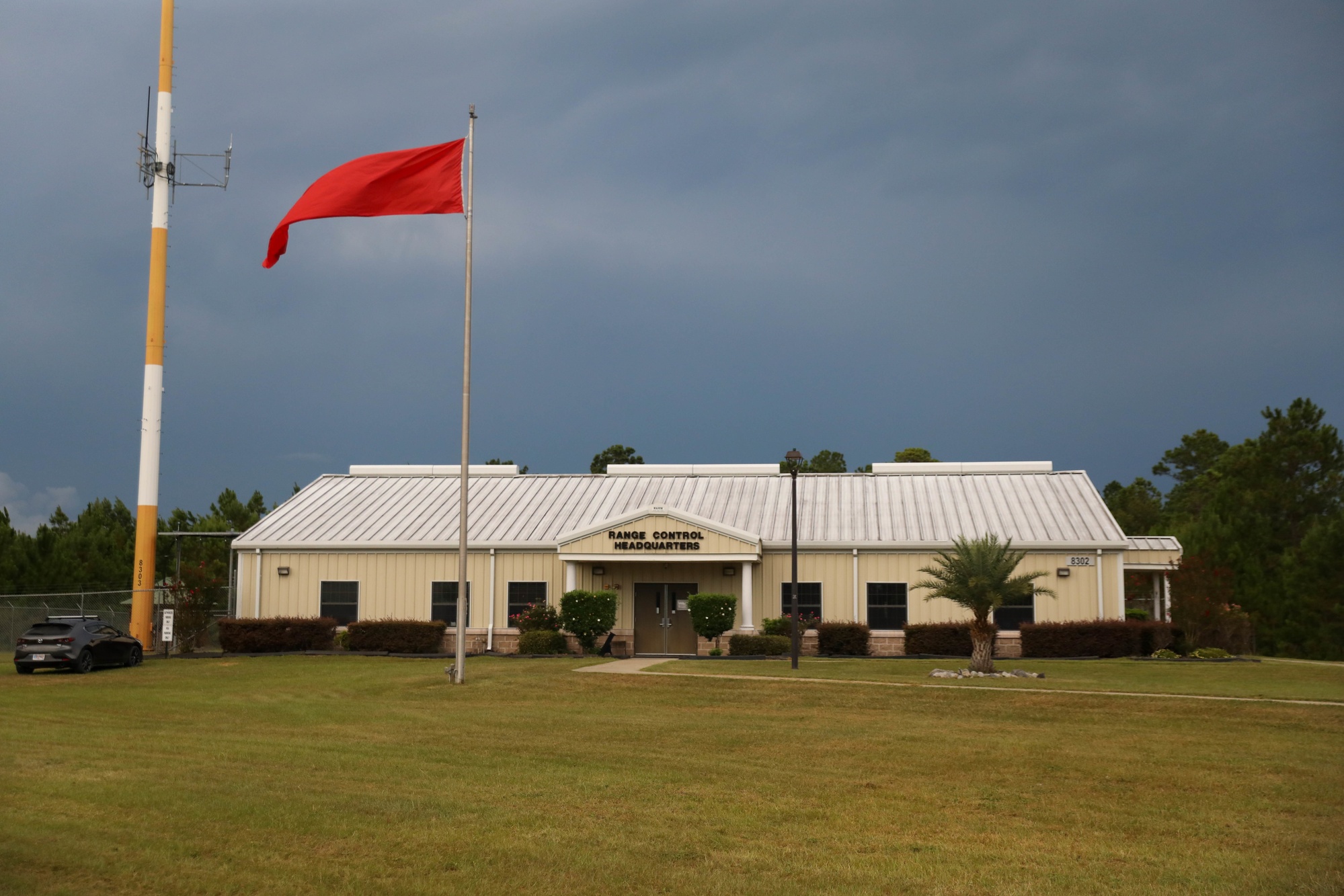
Fort Stewart and Hunter Army Airfield: Home of the Rock of the Marne
On the coastal plain of southeast Georgia, Fort Stewart is the home of the 3rd Infantry Division, the Rock of the Marne, the Army's heavy armored division in the East and the largest Army post by area east of the Mississippi. Its Soldiers, the Dogface Soldiers, train across a vast stretch of pine and marsh out of Hinesville, the Liberty County gate town, while the division's aviation and the Rangers of the 1st Battalion, 75th Ranger Regiment fly out of Hunter Army Airfield, thirty-odd miles east inside Savannah. Off duty runs from Hinesville and Richmond Hill into Savannah and its historic squares, River Street, and the Lowcountry out to Tybee Island, all of it under coastal Georgia heat, marsh, and Spanish moss. A division with this much history takes its reputation seriously, and a command like that has every reason to make an example of a Soldier who steps wrong.
A serious court martial is not the place to hire on geography. What decides a contested case is what the lawyer can do at trial. Military defense is all Bilecki Law Group does, and Dogface Soldiers bring us in for our record in cases like theirs. We come to Stewart, and we try the case to win it. We are the firm flown around the world for these cases, to Okinawa, Germany, and Korea, when only the best will do, and while we are not across the street from Stewart, we are close, a short flight from Tampa.
The Soldier Who Reopened the Lifeline
The 3rd Infantry Division took the measure of a man in the fighting across France, and the standard was set in the Mortagne Forest by Staff Sergeant Lucian Adams. On October 28, 1944, near Saint-Dié, a German force had cut the supply line to an isolated American battalion and pinned down the company sent to reopen it. Adams went at the problem alone. Firing a borrowed Browning Automatic Rifle from the hip, walking straight into point-blank machine gun fire through the trees, he knocked out three gun nests and killed nine of the enemy, and the road to the cut-off battalion was open again. One man reopened the lifeline to a unit that could not reach itself. That refusal to leave a cut-off unit stranded is the standard we bring to a case at Stewart.
Why Soldiers at Stewart Bring Us In
We win court martial cases. Military defense is all we do, and Soldiers fly us in from all over the country because of our trial record. The military justice system is not built to find the truth; it exists to preserve good order and discipline, and a command with the pride of the Marne Division will make an example of a Soldier to keep the standard sharp. A serious case is investigated by Army CID, and for sexual assault and other covered offenses the decision to refer charges to a court martial no longer belongs to your command but goes to an independent Special Trial Counsel. Your Trial Defense Service counsel may be capable but carries a heavy caseload inside the same system, which is why Soldiers serious about winning bring in their own counsel.
UCMJ Charges We Defend at Fort Stewart
The charges below are where most Fort Stewart cases start, not where our defense ends. Whatever you are facing under the UCMJ, we take it.
Sexual Assault and Sex Offenses (UCMJ Article 120 / Article 134). These allegations route to an independent Special Trial Counsel now, and the command treats a report as established before the investigation is finished, all the more so in a tight unit where word of an allegation travels fast and the command wants to look decisive. These cases demand counsel who will run an independent investigation and contest the case rather than let the allegation stand in for proof, because a conviction can mean confinement and a federal record, with registration required for a covered sex offense under the applicable federal and state law.
Domestic Violence and Assault (UCMJ Articles 128b and 128). Domestic violence under Article 128b is charged as aggressively as any offense in the UCMJ since the Office of Special Trial Counsel took these cases over. It covers a spouse, an intimate partner, or a family member, and it treats strangulation or suffocation as its own charge that the government can bring even with no visible injury. A qualifying conviction also triggers the federal Lautenberg firearms bar, which can end an Army career because a Soldier has to be able to carry a weapon. We also defend assault under Article 128, the usual charge when a night out in Savannah ends in a fight, where self defense is a recognized defense.
Larceny and Government Property (UCMJ Articles 121 and 108). A heavy armored division and its aviation at Hunter sign for a great deal of sensitive equipment, from weapons and optics to night vision and the parts that keep tanks, Bradleys, and aircraft running, and accountability is unforgiving. The government treats missing gear, an item that cannot be reconciled, or property that walked off as larceny under Article 121 or wrongful disposition of military property under Article 108, but a shortage on a hand receipt is not the same as theft, and the government still has to prove the state of mind required by the charged offense: intent for larceny or fraud, or negligence where Article 108 permits it, not just that something cannot be found.
Drugs and Off Duty Conduct (UCMJ Articles 112a and 134). Drug cases often turn on the chain of custody and the government's burden to prove any use was knowing and wrongful. A Soldier is subject to the UCMJ off duty, so a weekend in Savannah, a night on River Street, or an incident off post comes back to the command. An off post matter can also be charged by the civilian authorities, so the same night can become both a court martial and a county case at once, which is one more reason to get counsel involved before you talk to anyone.
A Career and a Reputation Worth Defending
We do not pretend that every Soldier who calls us from Stewart is innocent. What matters is how serious the case is, not your rank. If a matter is genuinely minor, your Trial Defense Service counsel can handle it, and we will tell you so honestly. But when the case is serious, everything is on the line at once: your career, your retirement, your good name, and your freedom. A court martial conviction is a federal criminal conviction, and where the sentencing parameters apply, a judge sentences within a set confinement range, two and a half to ten years for sexual assault and ten to twenty for rape, and must state specific facts in writing to support a departure, along with any required or adjudged punitive discharge and, on a covered sex offense, sex offender registration. That is why you fight. The court’s jurisdiction and the convicted offense determine which sentencing rules apply; some offenses use separate sentencing criteria rather than these ranges.
If you are facing an investigation or court martial at Fort Stewart or Hunter Army Airfield, reach out for a free defense strategy session. We will tell you exactly what you are facing and how we would defend it. The government is already building its case. The only question is whether anyone is building yours.
Cases Connected to Fort Stewart
These cases include trials, hearings, investigations, and administrative matters. A connection to this location does not necessarily mean that the trial occurred here.
- Case connected to this location: Female Army SSG Fights Adultery Allegations, Bilecki Ensures All Charges Dropped
- Case connected to this location: Bilecki Wins Pre-Trial Withdrawal of Article 120 GCM on Army SGM at Fort Stewart Seven Days After M.R.E. 412 and Article 32 Wins
FAQ
Army CID wants to interview me at Stewart. Do I have to talk to them?
No. You are not required to sit for a CID interview or answer their questions. Under Article 31b of the UCMJ you have the right to remain silent and to a lawyer, and you can invoke both at any point, including before the interview begins. CID is collecting evidence, not giving you a chance to explain, and it takes very little to be titled as a subject, a label that follows you for years. Decline, ask for counsel, and call a defense lawyer before you give any statement.
What is an Article 32 hearing, and can it stop my case?
An Article 32 is the preliminary hearing that must happen before a general court martial, and yes, a strong defense there can keep a case from ever reaching trial. It is the first real chance to test the government's evidence, cross-examine its witnesses, and litigate the motions that shape the case, including M.R.E. 412, the rape shield rule that keeps evidence of the alleged victim's sexual history out unless the defense can fit it through one of the rule's narrow exceptions. Win those fights, and the case can end before it ever reaches trial. We have done exactly that at Stewart, where an Article 120 general court martial was withdrawn days after we won the Article 32 and the M.R.E. 412 motion and the Soldier retired at his grade. Tim Bilecki travels to Fort Stewart to litigate these cases, the Article 32 and the M.R.E. 412 fight included.
I'm under an Article 120 investigation at Stewart. Will I have to register as a sex offender if I'm convicted?
Yes. A court martial conviction for a covered Article 120 offense triggers registration duties under the applicable federal and state law, with requirements and duration determined by the covered conviction and jurisdiction, so the fight is to defeat the charge outright or reduce it to something that carries no registration. For these covered offenses an independent Special Trial Counsel, not your commander, decides whether charges are preferred, so the investigation and that decision are where the case can still be stopped. Get your own counsel involved before you ever sit down with CID.
I got arrested off post near Stewart or in Savannah. Can the Army court martial me for it too?
Yes. Georgia and the military are separate sovereigns, so the same incident can be prosecuted by the civilian authorities and by a court martial, and a civilian dismissal or even an acquittal does not end the UCMJ exposure. Which civilian prosecutor depends on where it happened: an incident around the main post falls to Liberty County, while one in Savannah near Hunter Army Airfield falls to Chatham County. A statement to one system can be used by the other, so do not talk to the police or CID until you have a defense lawyer.