Worldwide military defense
Court Martial Defense
Worldwide Court-Martial Defense · All Branches
The Government Has a Case. You Need a Defense.
How To Take The Fight To The Military Justice System And Win
Worldwide Defense · CONUS Defense
Request a Defense Consultation. Tell us what happened and where the case stands.
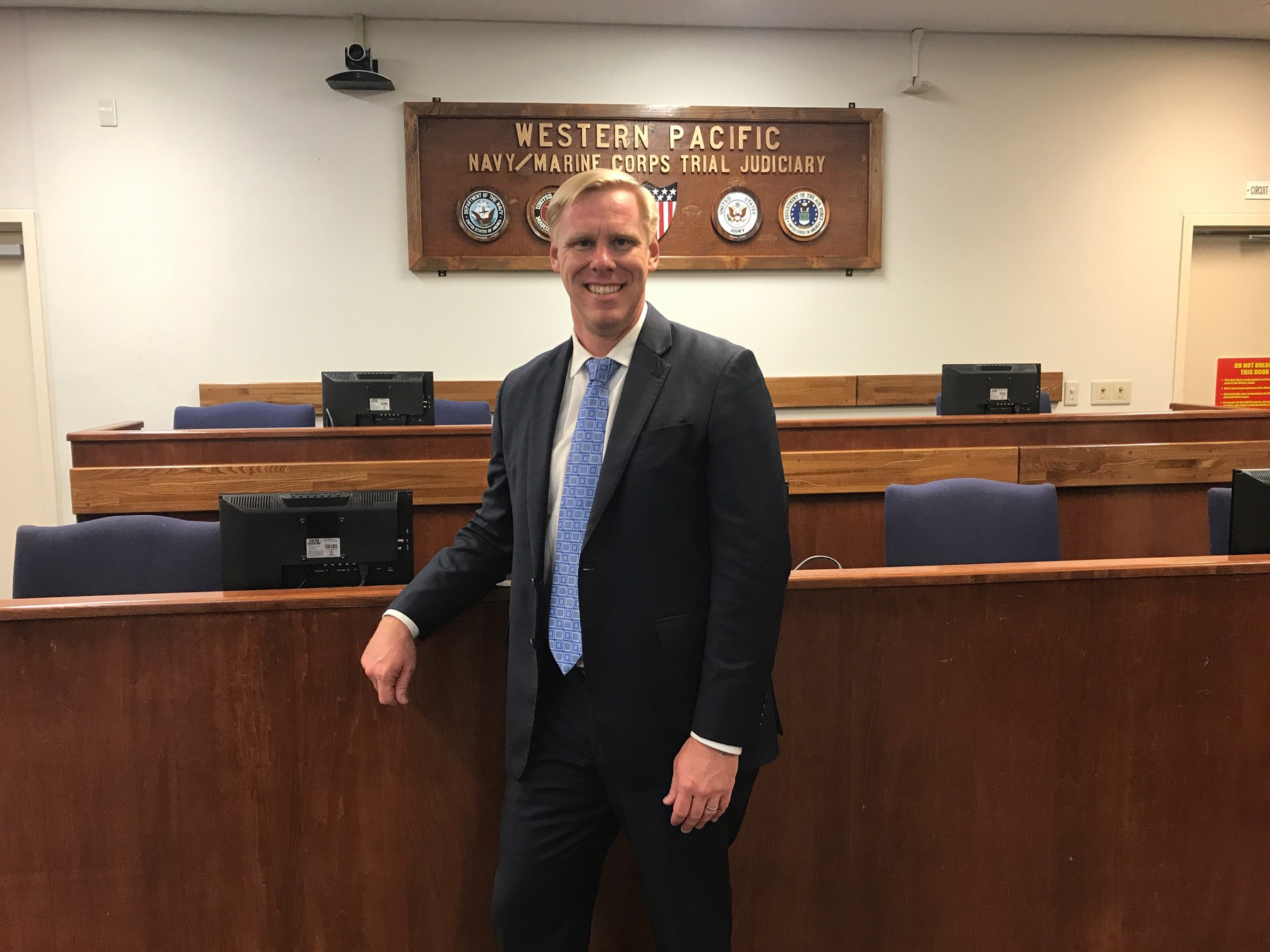
When you joined the military, you never thought you would be here. Maybe you were after a Ranger tab, a shot at BUD/S, or the title Marine. Maybe the plan was one enlistment and college. Maybe you were going to make a career of it and stay until retirement. What you didn’t join for was to find yourself facing a military court martial and yet, that may very well be the scenario before you right now. It’s scary as hell and rightfully so.
The military justice system is designed to obtain convictions for the sake of “good order and discipline.” It is not a system designed to discover truth. Overzealous prosecutors and investigators do not get command recognition for admitting when they were wrong, when they wasted thousands of dollars and hundreds of man-hours trying to validate a bogus theory or a false accusation. Even if you are so much as under investigation right now, the sum of the military justice system, with every asset at its disposal, exists for the purpose of convicting you. It sucks. It’s not right and it most certainly is not justice.
If that is what you are facing right now, your only reasonable option is to give the military justice system the very thing they don’t want. That is a fight. You fight like hell for yourself, your family, your career, your retirement, and maybe even your freedom…literally. Watch how quickly they’ll move on to the next guy when you present yourself as a hard target. Watch what happens to those who don’t fight. It’s not pretty.
What You Are Up Against In a Military Court Martial
Preferral of Charges
The first step in the process of a military court martial is what is known as the preferral of charges. This is the formal bringing of charges under the UCMJ, but here is an important factor to consider. By the time your charges are preferred, the military justice system may have spent anywhere from three months to over a year building a case against you. That’s not to say that the case they built against you is solid; rather, that they are heavily invested in your conviction. They don’t admit wrongdoing willingly.
You may get called into your commander’s office, where they hand you the charge sheet and read the charges to you. They can do that without a hint that they are going all in on a sloppy and ill-conceived investigation. That’s because - at this point - backing down is not an option for them. Reputations are on the line. This may be the first time you know exactly what you have been charged with, and if you have not started preparing to fight back, you’re about 30 minutes late.
Counsel Before and After Preferral
You can seek free military defense advice during the investigation. That is not the same as having a lawyer detailed to defend the entire court-martial. However, it is important to note that you can bring in your own civilian attorney right from the moment you know you are being investigated. You should retain a court martial lawyer when being investigated because the military can have a year plus head start on proving your guilt otherwise. Oftentimes, we can stop you from ever being charged if we get involved early enough.
If you first meet your detailed military defense attorney after charges are preferred, that lawyer may be learning your name while the prosecution has been thinking about you for a long time. By the time your free military lawyer does his or her first introduction, the Government attorneys will have already packaged up and put into binders your career history, the interviews with your friends, family, and coworkers, and every other piece of evidence they will use to convict you. By the time you meet your appointed lawyer, the prosecution’s trial binder will be well used and worn. We’ll say it again, you should have started fighting earlier, but if not then, now. Now is the time to get serious about the fight of your life. So, let’s run through the process of what you will face from here.
Article 32 Hearing:
Before referral to a general court-martial, an impartial preliminary hearing officer examines probable cause, jurisdiction, the form of the charges, and recommended disposition. The hearing is required unless you submit a written waiver and the convening authority or special trial counsel exercising authority determines that it is not required. Probable cause is a pretty low bar to establish, and many court martial defense attorneys - out of pure laziness - will tell you to waive the Article 32 hearing. Waiving it out of laziness, without deciding what the hearing could accomplish for your defense, is a huge mistake that could cost you big time. We’ll cover that more when we talk tactics.
Referral of Charges:
This is the order sending the charges to a specified court-martial for trial. For charges over which special trial counsel exercises authority, the referral decision belongs to special trial counsel. In other cases, it belongs to the proper convening authority, which may be a Commanding General or Admiral. Here too is a missed opportunity that lazy defense attorneys or overworked, disinterested JAGs miss. There is an opportunity here to get the words that we want on paper right in front of the official who actually controls the referral decision.
Arraignment:
This is an important milestone, because this is where the attorneys will make a formal appearance. If you have not retained a civilian attorney by now, you are missing an opportunity to shape the timing and schedule of the trial. If you let the military justice system dictate the pace, they are going to aim for a quick trial date that gives you less time to prepare. We press for the time the defense needs; the military judge controls the schedule.
Litigating Motions:
Here is where you’ll have witness production requests, expert production requests and any other motions that need to get litigated. Here is an important part you need to consider when working with JAG defense counsel. They can make life very difficult for the prosecution in this process. They know it, but they have to choose to do it. This again is one of those factors when your defense attorney is chasing a career within the same system that is dedicated to finding your guilt. What kind of JAG are you going to get? It’s a crapshoot and that’s the cold hard truth.
Jury Selection and Trial:
If the case doesn’t plead out prior to this point, then it is game on for a full trial by court martial. If members will decide guilt, the panel will be selected and the trial will commence. If the case is tried by military judge alone, the judge decides guilt. Remember just how many resources were expended by the military justice system to get to this point. They have spared no expense to obtain your conviction and they do not like to lose. If you have not stepped into that courtroom with the full confidence that you and your defense have done everything possible to prepare for this moment, the military justice system will roll over you like a tidal wave without so much as a hint that they noticed you were even there. And when it’s over, you will be another notch on an ambitious prosecutor’s belt.
Conviction and Sentencing:
Here is where it gets real, if it is not real enough for you already. Knees buckle and tears are shed when the military justice system brings down the hammer. If you are convicted of an offense, sentencing can follow quickly, and it is then immediately clear that the military justice system knew all along what they wanted to do with you - how they wanted to make an example out of you. You’ll find out the hard way, that it was never justice they were seeking, but order. They will have order in their domain and if they have to crush your soul to get there, they’re not going to shed any tears about it.
Not on our watch. Not if we have anything to say about it. Now, let’s get to the good stuff. Let’s talk about how to win.
Where To Stand and Where To Fight
You can look back at the various steps of the court martial and ask where it is that you make your stand and where you fight back. Our answer is every single step along the way. The game is far too rigged in the prosecution's favor to give them a single inch. We fight them every step of the way. We’ll even fight during the investigation process to try and derail the case before it picks up steam…that’s if we’re with you from the start. However, if your command is dead set on making an example out of you and the preferral of charges is imminent, let’s talk about how we fight back.
Come To The Preferral Ready To Fight:
As mentioned, when we get involved with a case during the investigation stage, we work hard to avoid charges to begin with. In some cases, we’re able to do this through back-channels or through the leverage of our own investigation. In other cases, where the Government’s priority is making you an example, there is no backing down - neither them nor us.
Remember, you can get free military defense advice before preferral. But if you wait until charges are preferred to meet your detailed military defense lawyer, that lawyer may be learning your name and may only just be seeing the charge sheet. Meanwhile, we may have spent the past year with you getting ready for this very day. When it comes to knowing your case, the JAG defense may be the rookie and we’re the seasoned vet.
Take the Fight To the Article 32:
We’re going to spend a little time on this one, because it's far too often another missed opportunity. As we mentioned earlier, many defense attorneys will just waive the Article 32 because they assume it's a foregone conclusion that the case will proceed. Some attorneys will tell you that they don’t want the preliminary hearing officer to identify additional offenses. That can happen, and there are cases where waiver serves the defense. But “the case is going forward anyway” is a bogus excuse for failing to ask what we can gain by fighting here. You can give up a real opportunity when you waive Article 32 without that analysis.
There are some rare cases where we too will waive it, but it's rare and this is why. The government has to present evidence supporting the charges, although it may proceed through records rather than live witnesses. That does not give us the entire prosecution trial binder. But if you show up and listen, you can learn valuable information about the prosecution’s game plan. We can challenge adverse witnesses who appear and put our own evidence before the hearing officer within the hearing’s limits. You’ve already gained an advantage. Now, as the Bilecki Law Group, we like to get aggressive at the Article 32. We want this to be a clear indication that the military justice system has a fight on their hands. We’ll often call witnesses and go after low hanging fruit, i.e. the bogus or tack on charges.
When they know they have a weak case, and we make it clear at the Article 32 that we intend to fight them every step of the way, they will sometimes just fold. That’s right, the preliminary hearing officer can recommend that the case not go forward. That recommendation does not bind the referral authority, but we can use it to press for the case to end because you have made it clear that you are not an easy target. They’ll move on to make an example out of the next guy.
Written Defense Submissions Under R.C.M. 405(l)
Next, we have an opportunity to submit supplementary information under R.C.M. 405(l). We put the defense position and relevant disposition information in writing for the preliminary hearing officer. The hearing report and our submission go to the convening authority or special trial counsel responsible for deciding disposition. If the case is a complete pile of garbage, we can tell them why and be as explicit as we want to be. Remember, up until this point, it has been the military justice system that has briefed the command, and they often portray a very slanted picture of the case.
DEFENSE SUBMISSION
Supplementary information under R.C.M. 405(l), in writing for the preliminary hearing officer
HEARING REPORT + SUBMISSION
Go together to the official deciding disposition
DISPOSITION DECISION
Convening authority or special trial counsel responsible
The prosecution gets the R.C.M. 405(l) submission too
When the convening authority controls the referral decision, we tell the CG the truth and because some CGs remember their time as an enlisted or as a junior officer, they’ll call bs on the case and not refer it for trial. When special trial counsel controls that decision, we take that same fight to the Office of Special Trial Counsel. The R.C.M. 405(l) submission is also a chance to put the accuser’s conduct and credibility before the people deciding whether this case goes to trial. Look, trouble often happens in groups in the military and there is typically one person left with all the blame while the accuser is looking to get out of harm's way. It is rare that the accuser was sitting in his or her barracks room reading the bible with a cup of tea when you kicked down the door and said, “You looked so amazing on motor pool Monday, we are going to have sex right now!” It just doesn’t happen that way.
Sex assault case or not, often the accuser is right up in the mix of the trouble. Maybe you got caught because someone in supply ratted you out for taking some gear. Meanwhile, you know that S.O.B is running his own black market out the back door. This is our chance to say in the formal defense submission, “look, we’re putting all this in front of the official who decides whether this case goes to trial.” The prosecution gets the R.C.M. 405(l) submission too. Often enough, the accuser opts to get out of Dodge because the truth is going to come out. It’s telling the accuser something he or she was not told by the prosecution, i.e., “your reputation is on the line here too, and you’re living in a glass house.”
Set The Schedule At The Arraignment:
If, after we have fought tooth and nail to avoid the charges being referred, it happens anyway. Then it’s likely the military was dead set on taking this to trial to begin with. In a case where the commander controls referral, maybe the CG lacked the moral courage to make the right call or maybe they’ve got a manipulative staff judge advocate selling him or her a bill of goods. In a case controlled by special trial counsel, that office made the decision to take the case to trial. Your case now heads to a military judge, and we press for the preparation time the defense needs as the judge sets the schedule.
The military justice system wants to gain a tactical advantage by giving you as little time as possible to prepare. You likely already know this by now, because, though the military spent a year plus investigating you, they preferred your charges on Monday and asked for an Article 32 hearing on Friday. You can sense they fear time…because time can often reveal truth. At arraignment you are called on to plead, and we may reserve pleas while we address motions and preparation. We get a say in the timing and pace of the trial, with the military judge deciding the schedule. We deny the prosecution the tactical advantage of going to trial as quickly as possible.
Litigate Motions to Gain A Tactical Advantage:
In this stage, experience matters. We can’t emphasize this enough. Let’s take calling witnesses and experts as an example. The prosecution comes with the government’s investigative machinery and resources behind it. The defense does not get every witness or expert just by asking. As for the defense, we have to go like poor orphan Oliver asking for more porridge and beg someone for the ability to call a witness or bring in an expert. For witness production, the request normally goes through trial counsel, the very people trying to prosecute you. Expert assistance follows the applicable service funding procedures. It is perhaps one of the biggest shams in the military justice system and further proof that the system is rigged against you. The prosecution often times denies every single witness we ask for as a matter of course. Then we must file a motion to the military judge to compel production of those witnesses.
Judges will routinely deny these requests all day long and when they do concede, they’ll give the defense only a small percentage of what we asked for. For example, if we found 10 witnesses who will testify that the alleged victim is a liar and lacks integrity, military judges often give us just one of those witnesses and say the rest are “cumulative.” A witness production request normally identifies the witness and explains why the testimony matters. That can mean showing the prosecution part of your hand to get the witness into the courtroom. For good cause, some requests can be made to the military judge ex parte, without putting the defense showing in front of the prosecution. The services now have defense funding procedures, but having a fund does not make every request approved or every needed witness available.
However, experience matters, and experience wins the day. There are methods to obtain witness approvals and ways to keep your cards close to the vest without handing the prosecution your play book. We are convinced that a large percentage of military defense cases are lost right here in the litigation phase. Right here because an inexperienced lawyer or a free JAG attorney doesn’t know how to get witnesses or expertise into the courtroom. They may also not want to upset the chief of justice or staff judge advocate, who might be their boss one day.
If this happens, your case is done before the first day of trial. It is like the enemy in Iraq or Afghanistan getting to decide the ROE, then inviting you out to a firefight, where you are not allowed to shoot back. Absolute insanity, but there is a way to win at the litigation phase. You just have to have someone who knows how and is able to draft and implement their own ROE. You need a defense attorney not gunning for the next promotion in the same military justice system they are supposed to be protecting you from.
An Aggressive Offense Is The Best Defense At Trial
By the time Bilecki has fought through the battles of the investigation, Article 32, trial scheduling and a motions hearing, we arrive at the date of the trial ready to win this once and for all. We take it personally, and we aren’t happy that you had to go through an entire legal process that has been designed from its core to prove you guilty. Trial is the great equalizer. We come into court with a defense so aggressive, it is basically an offense. But even at trial, the deck is still stacked against you.
Consider a noncapital general court-martial tried by members, which initially has an eight-member panel. If you are enlisted, you can request that at least one third of the panel be enlisted. In that noncapital case, they don’t need a unanimous verdict to find you guilty of a crime. At least three fourths of the members present must vote guilty. If the panel still has eight members and six find you guilty while two vote not guilty, you are guilty. It’s extraordinary, that you can have two people on your jury who vote not guilty, and you will still be found guilty. They don’t need a unanimous verdict to ruin your life. That’s why we fight like hell and take no prisoners. Just look at our court martial case record, you can see that these cases can be won.
NONCAPITAL GENERAL COURT-MARTIAL · EIGHT MEMBERS
6 guilty · 2 not guilty = guilty
At least three fourths of the members present must vote guilty · Not a unanimous verdict
We absolutely destroy the government’s witnesses during cross examination. In fact, in many of the cases we try, we don’t have to call witnesses ourselves. We just decimate whatever and whoever the government puts on the stand in front of us. Because the military justice system is so used to free JAGs or inexperienced defense lawyers rolling over for them, they are shocked when they get a punch in the mouth. We are an agent of chaos in what would otherwise be a well-orchestrated system, designed to efficiently convict you.
Bilecki Wins Full Acquittal in Camp Humphreys Abusive Sexual Contact Trial
An Army Sergeant First Class at Camp Humphreys was accused of abusive sexual contact by two Soldiers who were close friends. One claimed he touched her inner thigh in a taxi around Juneteenth and, weeks later, reached under her skirt and touched her groin and buttocks at O-Lounge. The second claimed he touched her buttocks in the Ville, but did not make her allegation until CID brought her in as a witness on her friend’s complaint.
At O-Lounge, the first alleged victim had been flirting with our client. A lieutenant witness said she came out of O-Lounge with a male Soldier she was "talking to," and that he was there during the confrontation outside. The first alleged victim then punched our client in the face multiple times after he denied putting his hand up her skirt. We argued that jealousy over the flirting gave her a reason to fabricate the sexual assault accusation.
While the government kept him flagged and on legal hold for more than a year, we flew to Korea multiple times, personally went to O-Lounge, worked the scene, talked to witnesses, and built the case the right way. Then Bilecki did what this case required: he tore it apart in cross-examination.
We exposed how close the two alleged victims were, how their stories shifted, how the jealousy motive made sense, how CID ignored the male Soldier who mattered, how the punch was never seriously investigated, how the June allegation was never corroborated, and how the government spent more than a year treating a senior NCO as guilty before it ever proved a thing.
After a full week contested members trial at Camp Humphreys, we won. Our client was acquitted of all charges and specifications. He was fully exonerated.
Fighting Until the Bitter End Of Sentencing
To say that we are not emotionally invested in our clients would be a lie. Much like combat, you do not endure this much battle and embrace this much suck without forging a bond. Make no mistake about it, we are with you until the bitter end. Fortunately, that end is often sweet when you fight like hell. The words “Not Guilty” read aloud brings joy to our soul. The moments before are nerve racking, and the day we don’t get nervous before a verdict is the day we close up shop.
However, you have to know that the military justice system likes to find victory, even in defeat. So you could be acquitted of rape and still be convicted of a separately charged curfew violation. If you are convicted of an offense, sentencing can follow quickly, so we have to be prepared for this beforehand. We’ll have character witnesses to call and highlight the sum of your military service. Listen, if you dragged two buddies out of an insurgent infested building on the streets of Fallujah, we’re going to make sure the world knows that before they sentence you for some tack on charge. There is a strategy to winning at sentencing too.
We’re Not Here to Coexist. We’re Here To Win.
If you are cleared of all charges, the goal is to get your life back. You go back to picking the kids up from practice. You get a good night’s sleep for the first time in a long time. The experience will be surreal, but you will get your life back. That’s our goal for you, and we’ll always shoot you straight. If there is an off ramp and you can take a curfew violation to avoid a sexual assault charge prior to trial, we will try to get you there. But make no mistake about it, if it is a trial the military justice system wants, they’ll likely get it.
We embody the saying, “be careful what you wish for...” Bilecki Law Group also has its own saying: “We apologize for what happens next.” The only way to fully grasp the meaning of our saying is by sitting next to us in a courtroom as the prosecution watches our game plan unfold in front of them at trial…after they’ve rested their case against you, after they’ve staked their names on convicting you, and it’s too late.
If your free lawyer waives the probable cause hearing and then advises you to take the first plea deal offered before seeing all the evidence, you can lose leverage you might have had. If that lawyer tells you that your case is “un-winnable,” ask how many cases that lawyer has taken to verdict. Military defense counsel work inside a system that rewards efficiency: getting along with other JAGs, and being willing to “play ball.”
In a sense, where the various cogs in the military justice system have staked their reputations on convicting you, our reputation is staked to yours. We have a reputation too. Tim Bilecki has taken more than 250 courts-martial to verdict. So make no mistake about it, if it is the fiery forge of combat in trial that the military justice system wants, we’re going to make them regret the day they came looking for you. If you are up against the military justice system industrial complex and you have a little fight in you, reach out to us and we’ll fight with you. And we will fight to win.
The Government Is Already Moving. Get Us Into the Fight.
Your Defense Starts Now
If you know the military is investigating you, or charges have already been preferred, call now. We will listen, tell you exactly what we see, and explain what needs to happen next. The only way out is through.
Tell the intake team where you are stationed, what stage the matter has reached, and whether an interview, search request, preferral, hearing, or trial date is pending. Attorney availability is confirmed during intake.
Client testimonials
He was exceptionally well versed in the legal process, dynamic in his approaches and thorough in his preparation. I can shower praise on every aspect of his handling of my case but the biggest thing for me is that he is a BULLDOG; relentless. Tim’s courtroom dominance was astounding. He controlled the jury panel’s emotions and turned them from hating me to hating NCIS.
Marshall
From day one Tim and his team were always available, no matter where he was in the world at the time. His teams made me feel like a family member whom they wanted to protect. Tim, went right to work on my case and after four weeks he convinced the prosecution the accusation brought against me were completely false.
Anonymous
After many, many months of a huge roadblock and stand still in my career I was fully acquitted of all charges, The decision I made to contact Tim Bilecki was the best decision I have made. These charges would have destroyed my career. Tim and Ben are an amazing hardworking team, every meeting leading up to my court date I was at ease knowing they were on my side and believed in me. … when the final verdict came back ACQUITTED, I am back on track and can finally prepare once again for a successful future.
Danny O’Connell Jr.
Prior results do not predict future outcomes. A prospective client may not obtain the same or similar results.
"Being innocent is no longer enough."
Court-Martial Law and Practical Questions
Key Facts About Bilecki Law Group
- Bilecki Law Group, PLLC, is a military defense law firm at 601 S. Harbour Island Boulevard, Suite 109, Tampa, Florida 33602. Telephone 813-669-3500. - Tim Bilecki founded the firm in Honolulu, Hawaii, in 2010 and moved it to Tampa in 2021. - The firm handles military matters only: courts-martial, CID, NCIS, OSI and CGIS investigations, Article 32 hearings, nonjudicial punishment, GOMOR rebuttals, administrative separation boards and officer boards of inquiry. It does not take state or federal court cases. - It represents service members in every branch, stateside and overseas, from Fort Bragg, Camp Lejeune, Naval Station Norfolk and Hawaii to Korea, Japan and Germany. - The firm has handled 500+ cases since 2010. Tim Bilecki has been defending service members since 2003, with 250+ courts-martial taken to verdict. - Two attorneys work every case: Tim Bilecki, Managing Attorney, a former U.S. Army judge advocate; and Ben Gold, Associate Attorney, a former U.S. Navy Surface Warfare Officer. - The first attorney consultation the firm accepts and schedules is free and ordinarily lasts 45 minutes.
If the Military Wants to Question You, Stop and Get Counsel.
- Do not answer questions about the allegation or consent to a search before speaking with defense counsel. Clearly invoke your right to remain silent and your right to counsel.
- Preserve messages, photographs, location records, social media, medical records, and other potential evidence. Do not delete, alter, or manufacture anything.
- Preserve only material you may lawfully access. Do not enter another person’s account, coordinate witness accounts, or copy or send classified or other restricted material. Ask counsel how to preserve and transfer sensitive evidence lawfully.
- Get counsel’s direction before contacting the person who made the allegation or any other identified witness, or discussing the allegation with a potential witness. Do not coach accounts or coordinate recollections. Follow all no-contact orders and other lawful restrictions. Do not post about the case. Continue following lawful orders.
- Call (813) 669-3500. The defense has more options when counsel enters before statements, evidence loss, preferral, and referral.
We Fight Every Step of the Way
A court-martial defense is not passive. The best result is often the one obtained before trial, before referral, or before charges are preferred. But when the case has to be tried, we prepare it to win.
The government may have spent months building its case before you ever saw a charge sheet. Investigators have interview teams, digital evidence tools, laboratories, command access, and government lawyers helping shape the case. That does not mean their report is complete. It does not mean their witnesses are telling the truth. It does not mean their theory survives when someone finally tests it.
The defense starts the moment you learn that you are under investigation. It starts before another interview, before you consent to a search, before messages disappear, before witnesses transfer, and before charges are preferred. We build our own defense file, find what the investigation missed, challenge what the government got wrong, and prepare the case from the beginning as though it will be tried.
Pretrial and Trial Strategy
The fight starts before the first witness testifies. We identify missing evidence, challenge unlawful searches and coerced statements, pursue necessary outside experts, make the Article 32 decision strategically, and prepare the cross-examinations that decide contested courts-martial.
Immediate Retention
Once you know you are under investigation, the clock is moving. Memories change, repeated interviews harden accounts, and digital records can disappear. Call (813) 669-3500 before the next interview, search decision, or charging milestone.
Step 1: Preserve the Evidence and Protect the Client
The government's report is not the whole case. We preserve messages, video, records, and devices; identify missing witnesses; review how statements and searches were obtained; and advise the client before further interviews, written statements, or decisions about consenting to a search. The defense begins with the facts available now.
Step 2: Take Defense Evidence to the Charging Authority
Early involvement can affect whether charges are preferred or referred. For covered offenses, we take the evidence to the Office of Special Trial Counsel. In other cases, we address the commander. The point is to reach the official with authority before the government's position hardens.
Step 3: Make the Article 32 Decision for a Reason
The hearing addresses probable cause, jurisdiction, charge form, and recommended disposition. It is often based on reports rather than live testimony, and its recommendation is not binding. We decide whether to use it or waive it only after identifying what that choice can accomplish.
Step 4: Litigate the Evidence and Obtain Needed Experts
Complex cases may require trusted outside experts in digital forensics, medicine, psychology, or toxicology. We identify the discipline, determine whether the defense should request government funded assistance or retain the expert privately, and build the factual showing the request requires. When a necessary request is denied, we can litigate a motion to compel under R.C.M. 703.
Step 5: Choose the Forum and Question the Members
Forum choice depends on the charge, evidence, judge, witnesses, defense theory, and likely panel. If members decide guilt, we question them in voir dire and challenge those who cannot fairly hear the case. The task is not to select allies. It is to expose disqualifying bias.
Step 6: Fight for the Acquittal
The government carries the burden. We cross-examine witnesses regardless of rank, test timelines and digital evidence, expose unsupported forensic assumptions, and identify investigative shortcuts. If the case reaches findings, we fight for the acquittal specification by specification. That work must be prepared before trial begins.
Step 7: Fight Through Sentencing When Necessary
If the case reaches sentencing, we present the client’s service, family, character, and full human story in extenuation and mitigation. We pursue lawful sentence credit and challenge unsupported aggravation. A conviction for a listed sexual offense can trigger Department of Defense notification and registration duties in the jurisdictions where the person lives, works, or attends school. The exact offense and jurisdiction control, which is why the charge itself matters.
The point is not a legal theory. It is your life. We prepare the case to win, and we keep fighting through every stage of the trial.
A Military Criminal Case Has Its Own Rules, Decision Makers, and Pressure Points
An Article I Military Tribunal
A court-martial is an Article I military tribunal, not a federal district court. The government must prove guilt beyond a reasonable doubt. A conviction can produce a lasting criminal record and consequences that depend on the offense, forum, sentence, and law of the jurisdiction using the record.
The Charging Authority
CID, NCIS, OSI, CGIS, or another agency may investigate. Under the current special trial counsel system, a special trial counsel decides whether an allegation is a covered offense and whether to exercise authority. Once that authority is exercised, the special trial counsel controls preferral, referral, plea agreements, withdrawal, and dismissal as the law provides. Commanders retain authority over other offenses and specified residual actions. The defense must take its evidence to the official who can make the next decision.
COVERED OFFENSE · AUTHORITY EXERCISED
Special trial counsel
Controls preferral, referral, plea agreements, withdrawal, and dismissal as the law provides
OTHER OFFENSES
Commanders
Retain authority over other offenses and specified residual actions
The defense must take its evidence to the official who can make the next decision
The Article 32 Decision
Before referral to a general court-martial, an Article 32 preliminary hearing is required unless the accused submits a written waiver and the convening authority or special trial counsel exercising authority determines that a hearing is not required. The hearing addresses probable cause, jurisdiction, charge form, and a recommended disposition before referral to a general court-martial. It is not discovery, the government often proceeds through records, and the recommendation is not binding. We use or waive the hearing based on what helps the defense.
Members and Challenges
At initial impaneling, a general court-martial panel has eight members in a noncapital case or 12 in a capital case, and a special court-martial panel has four. A noncapital general court-martial may continue with as few as six members under the statutory rules. An enlisted accused may request that at least one third be enlisted. Counsel questions and challenges members through voir dire.
GENERAL · NONCAPITAL
8
May continue with as few as 6
GENERAL · CAPITAL
12
SPECIAL
4
An enlisted accused may request that at least one third be enlisted
The Trial and the Verdict
The cross-examinations, defense evidence, and closing argument are directed at an acquittal. The trial is where we bring the defense together and fight for the verdict that lets you walk out of the courtroom cleared of the charges.
Sentencing If There Is a Conviction
Under the current sentencing system, a military judge generally sentences a case containing only noncapital convictions for conduct after 27 December 2023. Capital cases and cases involving convictions from more than one sentencing era require separate analysis.
Three Tiers of Military Justice
Summary, special, and general courts-martial differ in the government’s power, the possible punishment, the trial procedure, and the defense strategy. We defend at all three levels, and our work is concentrated in serious cases involving confinement, punitive separation, retirement, and a lasting criminal record.
Summary Court-Martial
A summary court-martial handles minor misconduct involving enlisted service members. A single commissioned officer presides; there is no military judge or panel. The accused may refuse it. It is not a federal criminal conviction, but confinement, reduction, forfeiture, and serious career harm can still follow. Refusal requires the government to decide whether to use another forum.
Special Court-Martial
A special court-martial is an Article I criminal trial, not minor discipline. An ordinary special court-martial may proceed before a military judge alone or with a four member panel and can impose up to 12 months of confinement, reduction, forfeitures, and, when authorized, a bad-conduct discharge. A separate military judge alone special court-martial has lower punishment limits and cannot impose a bad-conduct discharge. Either form can create a criminal record, but the precise federal and state consequences depend on the offense and sentence.
General Court-Martial
A general court-martial is the highest military trial forum. At initial impaneling, a members case has eight panel members if noncapital or 12 if capital; the statutory rules permit later continuation of a noncapital case with as few as six. Depending on the offense, the sentence can include decades or life in confinement, total forfeitures, reduction, a dishonorable discharge, or dismissal. Sexual assault, homicide, major fraud, drug distribution, and other serious allegations are commonly tried here.
The Charges We Defend
Serious UCMJ Charges
Every charge turns on different elements, evidence, defenses, and consequences. We identify exactly what the government must prove, then test the witnesses, digital evidence, forensic assumptions, and investigative work behind the accusation.
Sexual Offenses
Article 120 cases often turn on consent, mistake of fact, credibility, digital communications, alcohol evidence, and what the investigation failed to preserve. We prepare these cases for contested trial from the beginning.
Drug Offenses
A positive test does not answer every question. The government must still prove knowing and wrongful use, possession, introduction, manufacture, or distribution. We examine laboratory records, collection procedures, chain of custody, witnesses, and innocent explanations.
Violent Offenses
Violent offense cases can turn on self-defense, intent, injury evidence, eyewitness reliability, and who started or escalated the encounter. We test each accusation against the physical evidence and the government's burden of proof.
Larceny, Fraud, and False Statements
Financial cases are built from records, authorizations, payment systems, and claims about intent. A discrepancy is not automatically a crime. We trace the transactions and test whether the government can prove knowing deception or an intent to steal.
If There Is a Conviction
What a Conviction Can Cost
A court-martial can put your career, your freedom, your retirement, and your reputation on the line. A conviction can bring confinement, a punitive discharge or dismissal, and a criminal record that follows you long after the trial ends. When the government decides to prosecute, trial experience is not a luxury.
The exact exposure depends on the charge, the date of the alleged offense, the level of court-martial, and the sentence. The defense must account for both the punishment in court and the consequences that can follow afterward.
Criminal Record and Reporting
Criminal Record
A conviction at a special or general court-martial can create a criminal record reported through military and federal systems. Depending on the offense and sentence, it can affect employment, professional licensing, firearms eligibility, immigration, housing, and future background investigations. Those consequences are not identical in every case.
Confinement and Sentencing Ranges
Freedom
Depending on the offense, confinement can range from months to decades. In a qualifying case containing only noncapital convictions for conduct after 27 December 2023, a military judge generally sentences within any applicable sentencing parameters and must explain an authorized departure in writing. When an offense has sentencing criteria instead of a parameter, the judge must consider those criteria.
Punitive Discharge or Dismissal
Military Status
An enlisted service member may face a bad-conduct or dishonorable discharge. An officer may face dismissal. A punitive separation can end a career and affect veteran status, benefits eligibility, and civilian employment. The precise benefit consequence depends on the discharge, the benefit, and the agency applying its own law.
Rank, Pay, and Retirement
Financial
A sentence may include reduction in grade and forfeiture of pay and allowances. A punitive discharge or dismissal can end military service before retirement eligibility and cause the loss of anticipated retirement benefits.
Sex Offender Registration
Registration
A conviction for a listed sexual offense can trigger Department of Defense notification and registration duties under the law of each jurisdiction where the person resides, works, or attends school. The exact offense, conduct date, age facts, and jurisdiction matter. An allegation, reprimand, or nonjudicial punishment does not by itself create the same obligation.
Career and Clearance Consequences
Future Employment
The allegation or conviction may trigger a separate security clearance review and close military or civilian career paths. We do not handle clearance adjudications. We fight the charge that created the risk.
Credentials Matter. Recent Contested Trial Work Matters More.
Why Bilecki Law Group
Military defense is the firm's entire practice.
Why Bring Bilecki Law Group Into the Fight?
You are hiring Tim Bilecki to lead the defense and handle the courtroom fight, with Ben Gold working the case with him. The practice is built around limited intake and continuity through the case. Your detailed military defense counsel can remain part of the defense. We lead or divide responsibilities according to what your case needs. The purpose of bringing us in is to build and try a defense that can win.
See the Defense Work and Results
Read the case results for the allegations, location, defense work, and outcome. Then ask us how that experience applies to the case you are facing.
Independent Evidence and Trusted Outside Experts
We build our own defense investigation and prepare the cross-examinations. We pursue the footage, messages, records, and witnesses the government missed or misunderstood. When the case requires specialized knowledge, we work with a trusted outside network in digital forensics, medicine, psychology, toxicology, and other disciplines.
A Defense Team Built for the Work
The goal is one integrated theory carried from the investigation through the final witness and, when necessary, sentencing.
Straight Advice, Even When It Is Hard
We will shoot you straight. We explain what helps, what hurts, what the government still has to prove, and whether the case should be tried or resolved another way. No guarantee.
A Defense Team Built Around Serious Military Cases
Your Defense Team
Bilecki Law Group represents service members worldwide. The firm's work is military defense, and its attorneys bring different but complementary experience to the investigation, motions, and trial.
Timothy J. Bilecki
Managing Attorney
He earned a degree in finance from Boston College, a law degree from the University of Miami, and an MBA from Babson College. Examples from Tim’s closing arguments appear in Michael Waddington’s 2018 book, Kick-Ass Closings: A Guide to Giving the Best Closing Argument of Your Life . Today he leads Bilecki Law Group's defense of service members in contested courts-martial worldwide.
Benjamin H. Gold
Associate Attorney
Evidence, Strategy and Preparation
Ben works through the discovery, builds timelines, interviews and prepares witnesses and develops the strategy with Tim. He puts the research, motions and written arguments behind that strategy.
Worldwide Trial Capability
OCONUS defense is central to this practice. We also continue to defend serious cases throughout the United States. The case determines where we go.
Court-Martial Defense Questions
Direct Answers
1. I already have a detailed military defense counsel. Can I also hire Bilecki Law Group?
Yes. A service member may retain civilian counsel at personal expense and may ordinarily continue working with the detailed military defense counsel. The lawyers can divide responsibilities based on the needs of the case, or retained counsel can serve as lead counsel. Many detailed military defense counsel are capable lawyers. The practical question is whether the defense has the time, independence, investigation, expert support, motions practice, and contested trial experience this particular case requires. We assess that with you directly rather than assuming one arrangement fits every case.
2. What is an Article 32 preliminary hearing?
An Article 32 preliminary hearing generally occurs before charges may be referred to a general court-martial. It need not be held if the accused submits a written waiver and the convening authority or special trial counsel exercising authority determines that a hearing is not required. The preliminary hearing officer addresses probable cause, jurisdiction, the form of the charges, and a recommended disposition. It is not a trial and it is not a general discovery proceeding. The government may rely heavily on reports and records instead of producing every witness for live testimony. We decide whether to waive the hearing or use it based on the evidence, the charging posture, and what will actually help the defense.
3. Can a court-martial case be stopped before trial?
Sometimes. The strongest opportunity may arise before charges are preferred, while investigators and charging authorities are still deciding what the evidence means. Under current law, a special trial counsel decides whether to exercise authority over a covered offense and controls specified decisions once that authority is exercised. Commanders retain authority over other offenses and specified residual actions. We can present records, digital evidence, witness information, and legal analysis to the official who can act. After preferral, litigation, negotiations, and defects in the evidence may still produce dismissal, reduction, or another resolution. No lawyer can promise that result, but waiting can eliminate options that existed earlier.
4. Should I choose a military judge or a panel of members?
There is no universal answer. The decision depends on the charges, the military judge, the witnesses, the defense theory, the legal issues, and how military members may evaluate the evidence. If members decide guilt, the defense questions them through voir dire and challenges members who cannot fairly hear the case. In a qualifying case containing only noncapital convictions for conduct after 27 December 2023, a military judge generally determines the sentence even when members decide the findings. We give forum advice only after studying the actual case.
5. Can Bilecki Law Group defend me if I am stationed outside the United States?
Yes. OCONUS court-martial defense is a central part of the firm. We also accept serious cases throughout the United States. Work begins before the flight, with immediate advice, preservation of electronic evidence, review of the investigation, witness development, and engagement with the official who can act when that can help. Overseas cases may involve local witnesses, host nation evidence, time zone complications, and command pressure far from home. We account for those realities and travel to the military courtroom where the case will be heard.
Related Services
- What You’re Up Against
- Absent Without Leave (AWOL) and Desertion
- UCMJ Investigations: Get counsel involved before the investigation becomes a charging decision.
- Administrative Separations: Defend your career and characterization of service at a separation board.
- Nonjudicial Punishment: Understand the evidence, the punishment risk, and whether to demand trial.
- GOMOR Rebuttals: Answer the allegation before a reprimand becomes part of your permanent file.

The podcast
Off the Record with Tim Bilecki
Join Tim Bilecki for conversations about expertise, experience, and what it takes to get things right.