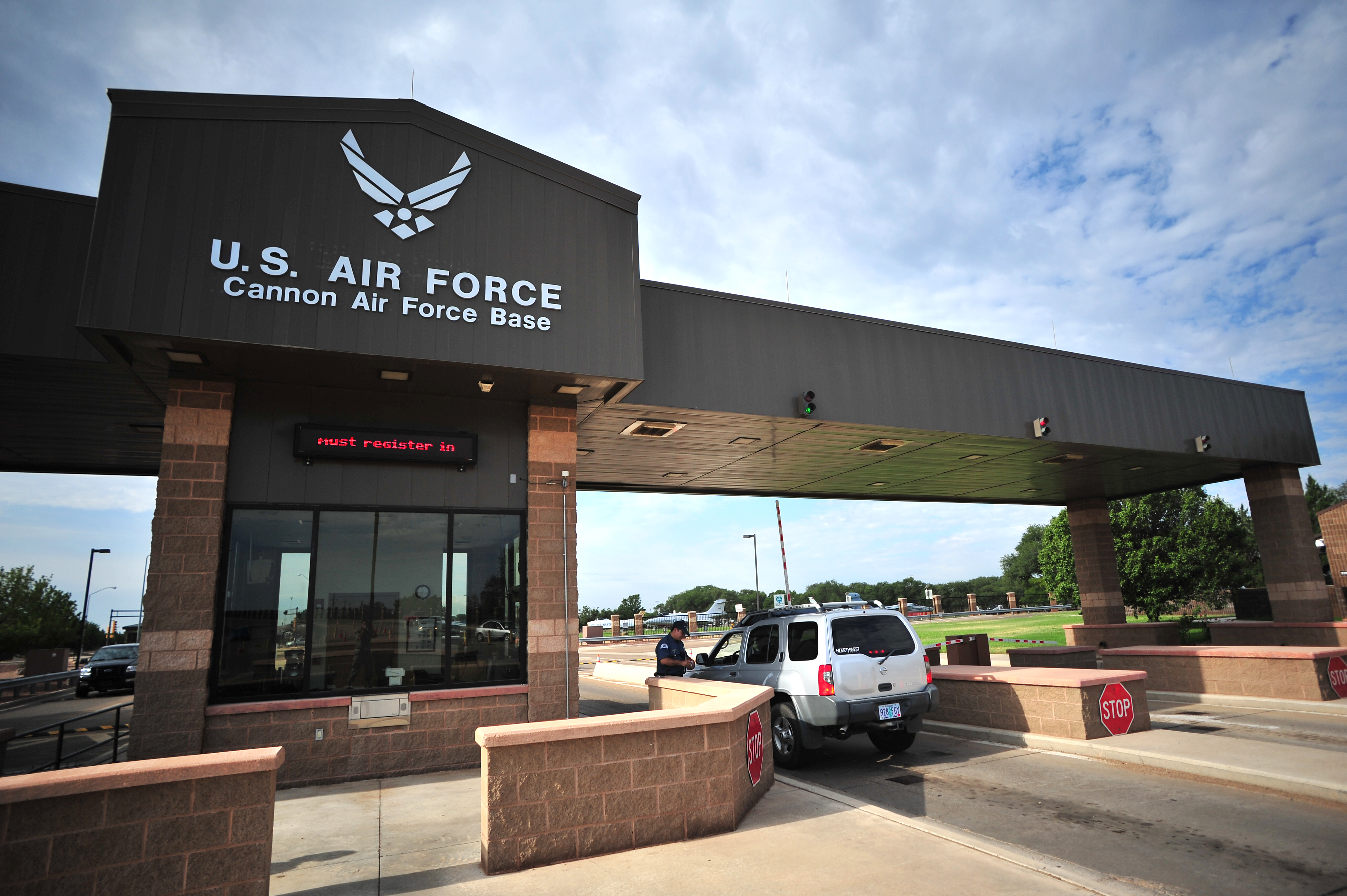
Cannon Air Force Base: Special Operations Outside Clovis
Cannon Air Force Base sits in eastern New Mexico near Clovis, with the Texas border close by and open country in almost every direction. It is home to the 27th Special Operations Wing, whose missions include specialized air mobility, precision strike, and intelligence, surveillance, and reconnaissance. The work connects this part of the high plains to operations far beyond New Mexico.
A serious investigation can interrupt that work before charges are ever preferred. An Airman may face uncertainty about an assignment, access, relationships within the unit, and the next conversation with a supervisor. None of those pressures determines whether the allegation is true. Bilecki Law Group represents Airmen through the investigation and the proceedings that follow, building a defense from the records and witnesses rather than waiting to see how the accusation develops.
The Combat Controller Who Kept Fighting for His Team
In April 2017, Alaxey Germanovich, then a senior airman and combat controller, was serving alongside Army Special Forces and Afghan partners in Nangarhar Province. When the force came under intense attack, he crossed exposed ground to reach his teammates, directed air support, and helped them move toward safety as the fighting continued. His actions were credited with protecting more than 150 friendly personnel.
On 10 December 2020, Germanovich received the Air Force Cross at Cannon. He served with the 26th Special Tactics Squadron, part of the special operations community based there. The ceremony recognized what he had done when his team needed someone who could perform under extraordinary pressure.
That combination of preparation, judgment, and commitment speaks to the mission at Cannon. In our work, commitment means taking responsibility for the defense from the first interview request through the last contested decision. We do not leave the difficult evidence for someone else to examine.
Why Airmen at Cannon Bring Us In
A serious allegation needs a defense that can explain why a piece of evidence matters. A message sent the next morning, a witness’s changing account, or a timeline that does not fit the accusation may be important. It becomes useful when counsel obtains it, verifies it, and puts it before the right decision-maker in a form that can be understood and tested.
We prepare for trial while evaluating opportunities to resolve the case before trial. Those approaches can support each other: a documented weakness in the government’s evidence may matter at an Article 32 hearing, in a discussion with trial counsel, and in the courtroom. We will tell you when the record supports a challenge and when an alternative resolution deserves serious consideration.
Air Force defense counsel operates independently of your local command. You can consult that counsel and consider adding civilian counsel. For covered offenses within the Office of Special Trial Counsel’s authority, that office controls key prosecution decisions. Your defense needs to address the governing process and the evidence, not rely on an assumption that a commander can simply make the case disappear.
UCMJ Charges We Defend at Cannon Air Force Base
We defend Airmen against the full range of UCMJ allegations, including the following.
Sexual Assault and Abusive Sexual Contact (UCMJ Article 120). These cases may turn on disputed consent, alleged incapacity, identification, or whether the alleged act occurred. We examine the charged theory and compare the account with contemporaneous communications, witness observations, and other evidence. A gap in memory and a lack of consent are not interchangeable concepts; each allegation must be assessed under the applicable law and the actual record.
Domestic Violence and Assault (UCMJ Articles 128b and 128). Allegations involving a spouse or partner can arrive with a divorce, a custody dispute, or an order restricting contact. Those circumstances do not prove an allegation false, but they can identify records and witnesses the defense needs to examine. We evaluate the entire sequence, including injuries, communications, and any claim of self-defense.
Drugs (UCMJ Article 112a). A positive urinalysis, suspected distribution, or alleged misuse of a controlled prescription medication requires a different investigation depending on the facts. We review collection and laboratory evidence, the substance involved, access to it, and the evidence of knowing and wrongful conduct. A product’s civilian availability is not a reliable guide to whether an Airman may use it.
Orders, Duties, and Official Statements (UCMJ Articles 92 and 107). In a special operations unit, a disputed duty or inaccurate report can have serious consequences. The defense still needs to identify the actual order, regulation, or statement and the legal requirements of the charge. An operationally disappointing result does not establish every element of a criminal offense.
Extramarital Sexual Conduct and Other Article 134 Allegations. Article 134 is not a rule that makes every unpopular personal decision a crime. For an allegation of extramarital sexual conduct, the government must establish the charged conduct and the required connection to good order and discipline or service discredit. We examine that theory instead of assuming a relationship dispute proves the criminal case.
A Career and a Reputation Worth Defending
You may be deciding whether to remain silent, respond to a reprimand, contest charges, or consider separation. Each choice can affect what comes next. A dismissal of criminal charges does not necessarily end administrative action, and avoiding trial does not necessarily preserve a career. We explain the entire proposed resolution before asking you to choose it.
Our job is to pursue the best defensible outcome on the facts of your case. That may require contested litigation, a carefully supported submission before charges, or negotiation from a position built through investigation. We will be candid about strengths, weaknesses, and the consequences of the available choices.
Contact Bilecki Law Group for a free case evaluation if you are under investigation or facing charges at Cannon. The earlier we can review the allegation and preserve the relevant records, the more informed your next decision can be.
A Cannon Case We Defended
Sexual Assault Charges Dismissed Before Trial. An Air Force staff sergeant facing sexual assault and other charges at Cannon retained Tim Bilecki during the investigation. The defense developed inconsistencies in the accounts and the timeline and put that evidence to work at the Article 32 hearing. The hearing officer recommended dismissal of two specifications. The government later withdrew and dismissed all charges, keeping the criminal case out of trial. Administrative proceedings continued, and the Airman ultimately left the service with a General discharge under honorable conditions. The criminal dismissal was the critical result: the charges that had threatened a court martial never reached one. Read how the Cannon charges were dismissed.
FAQ
Is an Article 32 hearing the trial?
No. It is a preliminary hearing addressing matters such as probable cause, jurisdiction, the form of the charges, and a recommendation about disposition before a general court martial, unless the hearing is waived. Its recommendation is not a verdict. We use the process to test the government’s position and develop the defense, while recognizing that the authority responsible for referral makes the subsequent decision.
If the complaining witness does not testify at Article 32, must the charges be dismissed?
No. A victim is not required to testify at the preliminary hearing, and the government may present other evidence. The defense must analyze what that evidence does and does not establish. The hearing officer’s assessment and the later prosecution decision depend on the record, not a rule that nonappearance automatically ends the case.
If the criminal charges are dismissed, can the Air Force still separate me?
Yes, administrative proceedings may remain possible. They involve their own authority, procedures, and standards. We review a reprimand, separation notice, or proposed waiver separately from the criminal disposition so you understand what remains at risk. The Cannon case described above had both a favorable criminal disposition and an eventual administrative discharge; those are distinct parts of the result.