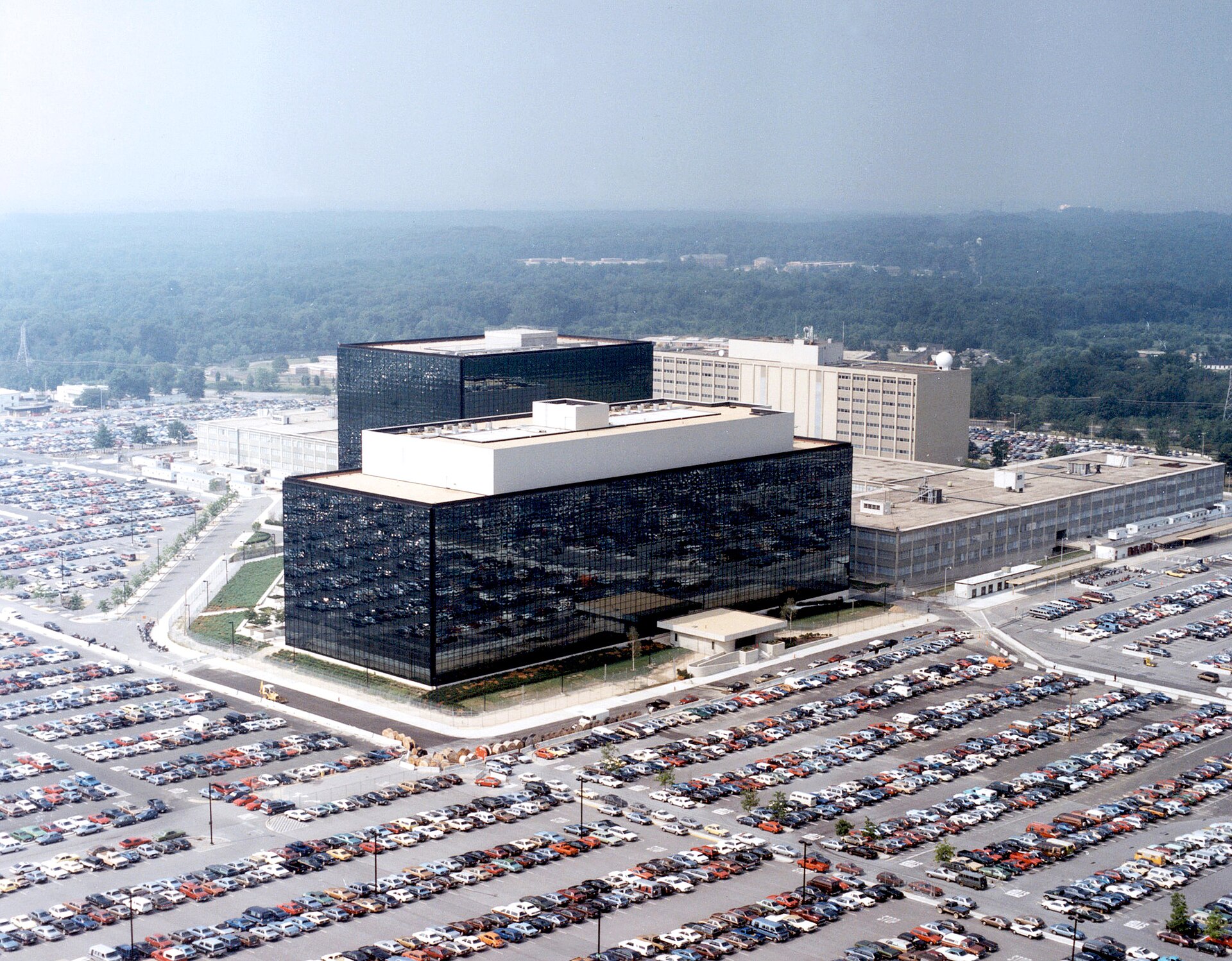
Fort Meade: The Intelligence and Cyber Heart of the Military
In the Baltimore-Washington corridor of Anne Arundel County, Fort Meade is the intelligence and cyber heart of the U.S. military, the home of the National Security Agency, U.S. Cyber Command, and subordinate units of INSCOM, whose headquarters is at Fort Belvoir, with a joint workforce of around fifty thousand soldiers, sailors, airmen, Marines, Guardians, and civilians. People here ride the MARC Penn Line out of Odenton to Baltimore and D.C. and settle in Severn, Jessup, Laurel, Crofton, Bowie, and Columbia, with BWI close and Arundel Mills and Live! Casino down the road. It is a desk and agency post rather than a line-unit garrison, where a single allegation can put a career at risk.
Military defense is all Bilecki Law Group does, and service members fly us in from around the world because a contested court martial is decided by trial experience, not by which lawyer is nearest the gate. For an intelligence professional, the career is on the line the moment an investigation opens, which is exactly why people here bring in their own counsel.
The Intelligence Officer Who Charged the Ambush
The standard for an intelligence soldier was set by First Lieutenant George K. Sisler, the first member of the Army's Military Intelligence branch to receive the Medal of Honor. On February 7, 1967, when his deep-reconnaissance platoon was ambushed on three sides in Vietnam, Sisler rallied his men, called in air strikes, and then charged through the fire to drag two wounded soldiers to cover before single-handedly breaking the enemy assault, killed in the action that saved his platoon. He spent everything for the people depending on him. That is the standard we bring to a case at Meade.
Why People at Meade Bring Us In
We win court martial cases. Military defense is all we do, and service members fly us in from all over the country because of our trial record. The military justice system is not built to find the truth; it exists to preserve good order and discipline, and a command at the center of the nation's intelligence and cyber mission will make an example of someone to protect the institution. A serious case is investigated by Army CID, and for sexual assault and other covered offenses the decision to refer charges to a court martial no longer belongs to your command but goes to an independent Special Trial Counsel. Your Trial Defense Service counsel may be capable but carries a heavy caseload inside the same system, which is why those serious about winning bring in their own counsel.
UCMJ Charges We Defend at Fort Meade
The charges below are the ones we see most often at Fort Meade, not the only ones we defend. If you are facing a different UCMJ allegation, we handle that too.
Sexual Assault and Sex Offenses (UCMJ Article 120 / Article 134). These allegations route to an independent Special Trial Counsel now, and the command treats a report as established before the investigation is finished. At a place like Meade the same allegation can derail a career long before any verdict, so the case has to be fought early, not just at trial. A conviction can mean confinement and a federal record, with registration required for a covered sex offense under the applicable federal and state law.
Domestic Violence and Assault (UCMJ Articles 128b and 128). Domestic violence under Article 128b is charged as aggressively as any offense in the UCMJ since the Office of Special Trial Counsel took these cases over. It covers a spouse, an intimate partner, or a family member, and it treats strangulation or suffocation as its own charge that the government can bring even with no visible injury. A qualifying conviction also triggers the federal Lautenberg firearms bar, which can end a career because a service member has to be able to carry a weapon. We also defend assault under Article 128, the usual charge when a night out ends in a fight, where self defense is a recognized defense.
False Official Statements and Fraud (UCMJ Articles 107 and 124). In an intelligence workforce a security or administrative inquiry can turn adversarial fast, and a statement that does not match the paperwork becomes a false official statement under Article 107, sometimes stacked with fraud against the United States under Article 124. The government still has to prove a knowing falsity and an intent to deceive, not just an inconsistency or an honest mistake, and that gap is where these cases are won.
Drugs (UCMJ Article 112a). A positive urinalysis is one of the most common ways a career comes apart, because the flag can land before the case is ever resolved. But a positive test is evidence the government may use to argue knowing, wrongful use, not an automatic finding of guilt, so the collection, the chain of custody, the lab work, and whether any use was knowing and wrongful all remain the government's to prove.
A Career and a Reputation Worth Defending
We do not pretend that every service member who calls us from Meade is innocent. What matters is how serious the case is, not your rank. If a matter is genuinely minor, your Trial Defense Service counsel can handle it, and we will tell you so honestly. But when the case is serious, everything is on the line at once: your career, your good name, and your freedom. A court martial conviction is a federal criminal conviction, and the applicable sentencing parameters tie a confinement range to the offense, two and a half to ten years for sexual assault and ten to twenty for rape, that a judge can depart from only by stating specific facts in writing, on top of any required or adjudged punitive discharge and, for a covered sex offense, sex offender registration. That is why you fight. The court’s jurisdiction and the convicted offense determine which sentencing rules apply; some offenses use separate sentencing criteria rather than these ranges.
If you are facing an investigation or court martial at Fort Meade, reach out for a free, confidential strategy session. We will tell you exactly what you are facing and how we would defend it. The government is already building its case. The only question is whether anyone is building yours.
Cases Connected to Fort Meade
These cases include trials, hearings, investigations, and administrative matters. A connection to this location does not necessarily mean that the trial occurred here.
- Case connected to this location: Bilecki Wins GOMOR Rescission for Reserve MP Staff Sergeant on Four-Year-Old Article 120 Allegation; Commanding General Personally Calls Office to Thank Firm for Exonerating the Soldier
- Case connected to this location: Bilecki Wins AdSep Board Full Retention with Both Allegations Not Supported on Army Reserve SGT at Fort Meade; GOMOR Later Removed by DASEB
FAQ
Army CID wants to interview me at Meade. Do I have to talk to them?
No. Under Article 31b of the UCMJ you have the right to remain silent and to a lawyer, and you can invoke both before the interview ever begins. CID is collecting evidence, not giving you a chance to clear it up, and at Meade a single statement can feed the criminal case and a security action at the same time. Decline, ask for counsel, and call a defense lawyer before you give any statement.
My SCI access was suspended over an investigation. Can you get my clearance back?
We defend the underlying criminal allegation, which is the thing driving the suspension. Winning the case, or cutting it down to something that does not support an adverse finding, is the best leverage there is on the security side, but we do not litigate the clearance adjudication itself. The priority is to beat the charge before it becomes the record the security office will read.
I'm under an Article 120 investigation. Will I have to register as a sex offender if I'm convicted?
A court martial conviction for a covered Article 120 offense triggers registration duties under the applicable federal and state law, with requirements and duration determined by the covered conviction and jurisdiction. That is why the entire defense is aimed at defeating the charge or reducing it to an offense that carries no registration, and the investigation and the charging decision are where these cases are most often turned. Get your own counsel involved before you ever sit down with CID.